How to Choose Roofers for a Proper Repair

A roof leak rarely waits for a convenient time. Water marks on a bedroom ceiling, loose tiles after high winds or a gutter overflowing onto brickwork can all turn from a small repair into expensive damage if they are left. Knowing how to choose roofers before you agree to work gives you a far better chance of getting the issue fixed properly, at a fair price and without being left with a mess to clear afterwards.
The right roofer will not make vague promises or pressure you into an immediate decision. They will inspect the problem, explain what they have found in plain English and give you enough information to decide with confidence.
Start with the type of roofing work you need
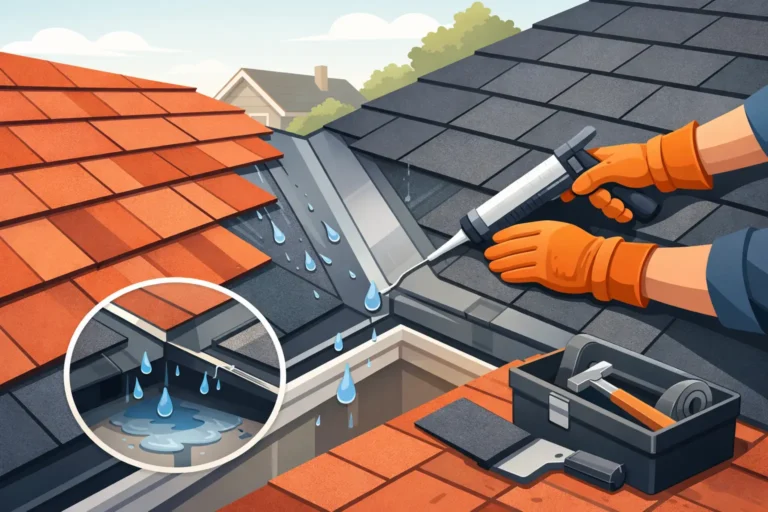
Not every roof issue needs a full replacement. A few slipped tiles, cracked flashing around a chimney or a leaking valley may be a targeted repair. An ageing roof with widespread wear, repeated leaks or failing felt may need more substantial work. The contractor should be able to tell the difference and explain why their recommendation is necessary.
Be clear when you first call about what you have noticed: where the water is appearing, when it started, whether it follows heavy rain, and whether tiles, guttering or roofline materials are visibly damaged. Photos can help, but they are not a replacement for a proper inspection.
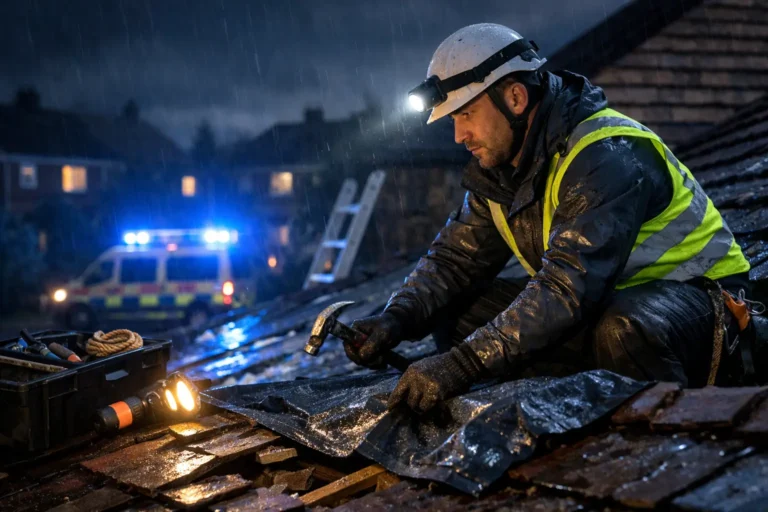
For urgent situations, ask whether the roofer provides emergency callouts and temporary protection. A reliable temporary repair can prevent further water getting in while materials are ordered or weather conditions improve. It should also come with a clear plan for the permanent repair, rather than becoming an open-ended job.
Check they are insured and accountable
Roofing is skilled work carried out at height, often around vulnerable parts of a property. Do not be embarrassed to ask about insurance. A legitimate contractor should be able to confirm that they hold appropriate public liability insurance and that they take responsibility for their work.
Insurance alone does not prove quality, but it is a basic sign that a business is set up properly. It protects against the risks that can arise if accidental damage is caused during the work. You should also ask what guarantee is offered on labour and, where relevant, on materials. Get the answer in writing.
Be cautious if someone refuses to provide business details, cannot explain who will carry out the work, or insists that insurance is unnecessary. The cheapest verbal offer can become the most expensive option if the repair fails or damage is left unresolved.
How to choose roofers with proven experience
Experience matters because roof problems are not always obvious from the ground. A stain indoors might come from broken tiles, defective lead flashing, a blocked gutter, damaged underfelt or condensation. Treating only the visible symptom can mean the leak returns after the next spell of rain.
Ask a roofer how they will investigate the source of the issue. You do not need technical jargon. You need a sensible explanation of what they will inspect and why. An experienced contractor should be comfortable discussing the condition of tiles, ridges, valleys, chimneys, roofline, guttering and drainage where those areas are relevant.
Local knowledge can be useful too. Properties across Surrey and Middlesex vary widely, from older homes with traditional pitched roofs to newer extensions, garages and flat roofs. A roofer who regularly works on local properties is more likely to understand common construction types and the practical effects of wind, overhanging trees and poor drainage.
Do not judge experience solely by how long someone has traded. Ask about similar work. A contractor who has handled repairs like yours is usually better placed to give a realistic scope, timescale and price.
Insist on a clear written quote
A good quote should make it easy to see what you are paying for. It does not need to be complicated, but it should set out the repair or replacement work, main materials, labour, access arrangements and whether waste removal is included.
If scaffolding, a skip or specialist access is needed, that should be identified. If the contractor has found an issue that cannot be fully confirmed until tiles are lifted or damaged material is removed, they should say so up front. Hidden defects do happen in roofing. The key is that the contractor explains the possible extra work and gets your approval before proceeding.
Compare quotes by scope, not just by the final figure. One price may include replacement flashing, removal of broken materials and site clean-up, while another only covers a quick patch. A lower quote is not necessarily poor value, but you need to know exactly what has been left out.
Avoid anyone who gives a price from the pavement without inspecting the roof, unless they are only quoting for an obvious, very small item. Equally, be wary of a quote that is dramatically lower than every other estimate. It may be based on inferior materials, rushed labour or an expectation that extra costs will appear later.
Ask who handles waste and site clean-up
Roofing creates waste: broken tiles, old felt, timber, guttering, packaging and occasionally larger sections of damaged roof materials. It is worth confirming who will remove it and how the area will be left at the end of the job.
This matters for more than appearance. If waste is taken away by an unlicensed operator and later fly-tipped, the homeowner can face unwanted questions or penalties. A responsible contractor should use proper waste handling arrangements and leave paths, driveways and garden areas clear of sharp debris.
For landlords and small commercial property occupiers, this point is especially valuable. A job that is technically complete but leaves tenants, customers or staff dealing with waste is not properly finished. One contractor able to repair the roof, remove waste and deal with related exterior work can save time coordinating separate trades.
Look for communication, not sales pressure
Good roofers understand that most customers are not roofing experts. They should explain the condition of the roof without talking down to you or trying to frighten you into unnecessary work.
You should know when they expect to start, how long the work is likely to take, whether access to the property is needed and what disruption to expect. If weather delays the job, a professional contractor will keep you informed rather than simply failing to turn up.
Pressure tactics are a warning sign. Be careful with unsolicited doorstep offers, claims that work must be done immediately without evidence, or demands for a large cash payment before materials arrive. Urgent repairs are sometimes genuinely needed, particularly where water is entering the building, but urgency should not remove your right to a clear explanation and written agreement.
Read reviews carefully and ask practical questions
Reviews can be helpful, particularly when they mention the kind of work you need. Look for repeated comments about punctuality, workmanship, tidy working and how the contractor dealt with problems. One glowing review means less than a consistent pattern over time.
It is also reasonable to ask a few direct questions before booking. Will the same team who inspected the roof carry out the work? What happens if further damage is discovered? Is the repair guaranteed? Will waste be removed? How will you protect surrounding areas such as patios, flower beds, vehicles or neighbouring property?
The answers should be straightforward. If a contractor becomes defensive when asked ordinary questions, that is useful information in itself.
When one contractor can solve more than the roof problem
A roof fault sometimes exposes other outside maintenance issues. A blocked gutter may have caused damp brickwork. Storm damage may affect fencing, fascias, soffits or garden structures. Clearance may be needed before safe access can be arranged.
Using separate specialists can be right for complex projects, but it can also create delays and confusion over responsibility. For routine exterior works, a properly insured contractor with broad practical experience can assess the wider problem and organise the job from repair through to waste removal. AJW Specialists Property Maintenance provides this joined-up approach for property owners who need reliable exterior work without the hassle of managing multiple trades.
The best choice is rarely the roofer who speaks the loudest or quotes the fastest. Choose the one who inspects properly, puts the work in writing, answers sensible questions and treats your property as though they will be accountable for it when the weather turns. That is the standard worth waiting for, even when a repair feels urgent.