Do I Need Licensed Waste Removal?
That old shed you have taken down, the rubble from a garden wall, the broken fencing stacked at the side of the drive – it all has to go somewhere. If you are asking do I need licensed waste removal, the short answer is often yes, especially if someone else is taking waste away from your property for payment.
A lot of homeowners and landlords assume waste clearance is straightforward. A van turns up, the load goes in, the space is cleared, job done. The problem is what happens after the waste leaves your site. If the person collecting it is not properly licensed, and it ends up dumped on a lane, in a lay-by or on private land, you can end up dealing with the fallout.
Do I need licensed waste removal for my property?
If you are hiring a company or individual to remove waste from your home, rental property, garden, office or building project, licensed waste removal is the safe and sensible route. In many cases, it is not just a better option. It is the right one.
That applies to common jobs such as garden clearance, old fencing disposal, roofing waste, broken plasterboard, timber, bricks, household junk and renovation debris. Once waste is being collected and transported as part of a paid service, the person carrying it should be registered to do so.
This matters whether you are clearing a few bulky items or stripping out an entire exterior space. The size of the job changes the cost and logistics, but not the need for proper disposal.
Why licensing matters more than people think
Most customers are not worried about the journey to the tip. They are worried about getting the mess cleared quickly and at a fair price. That is understandable, especially after storm damage, a roof repair, a garden project or a tenant clear-out.
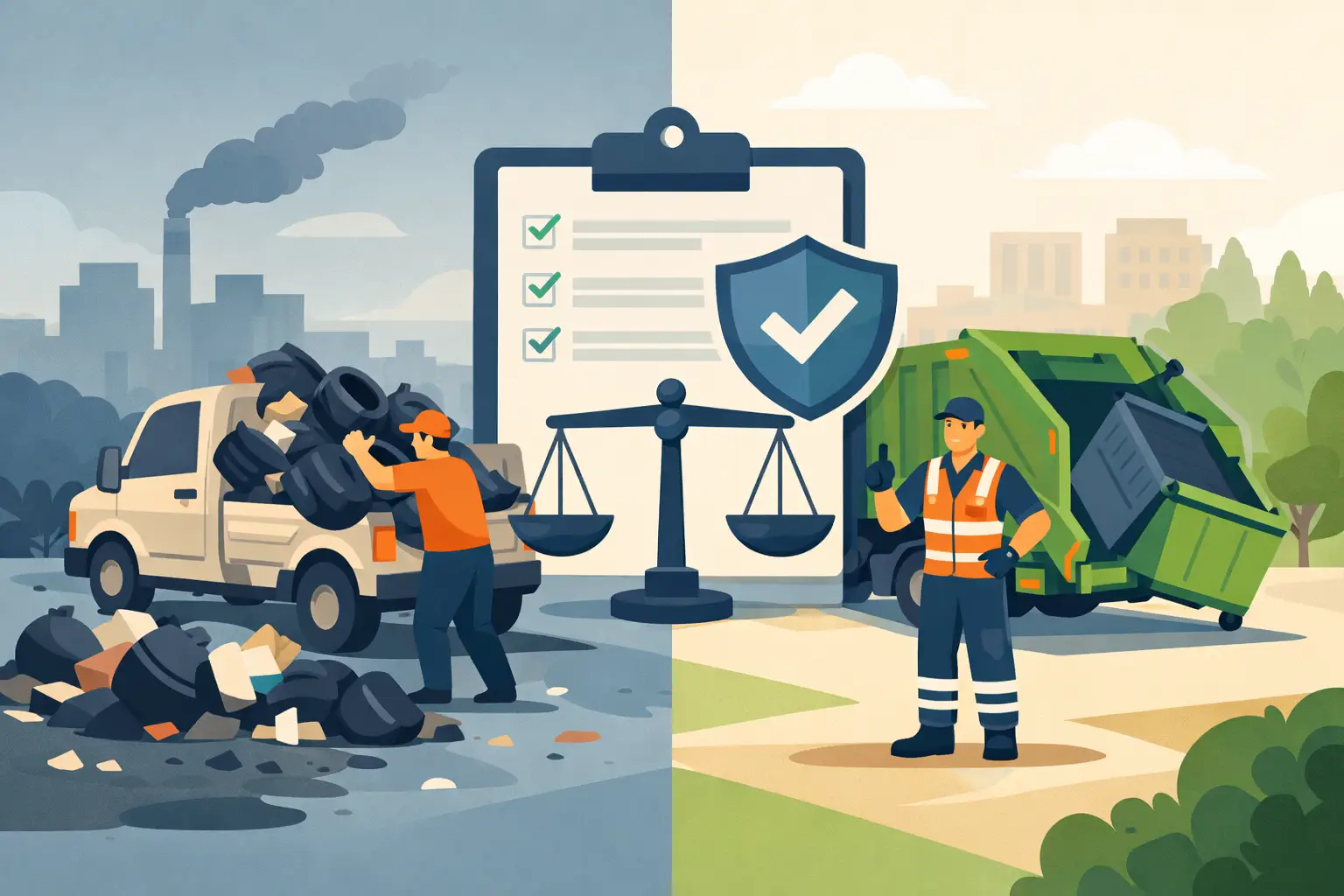
But waste licensing is there for a reason. It helps show that the carrier is authorised to transport waste and dispose of it through the proper channels. That protects you from the all-too-common problem of fly-tipping.
Unlicensed operators often win work on price. They may seem convenient, and they may even sound convincing on the phone. The risk is that they cut corners after leaving your property. If your rubbish is found dumped and traced back to you, questions can follow.
For homeowners, that can mean stress and possible enforcement issues. For landlords and businesses, it can also damage your reputation. Saving a bit on the clearance bill is rarely worth that risk.
When licensed waste removal is usually needed
There are some obvious situations where a licensed carrier should be used. Building and repair waste is one. If you have had roofing work done, fencing replaced, a garden renovated or an outbuilding dismantled, the waste can be mixed, bulky and awkward to dispose of properly.
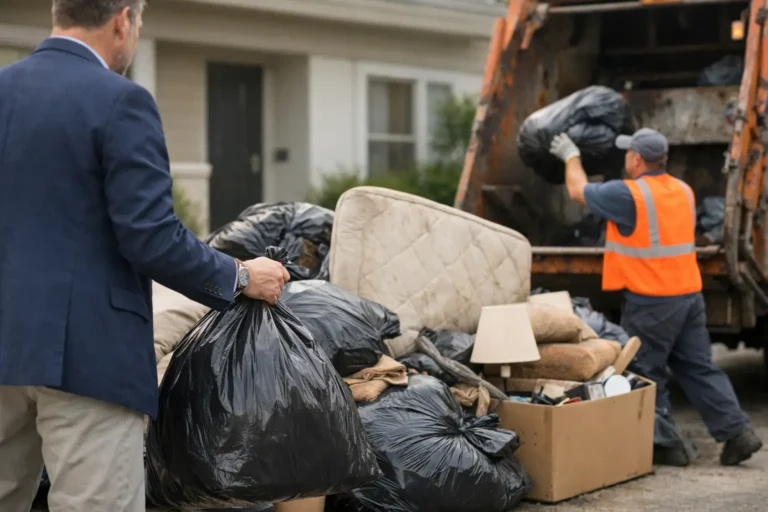
House clearances and landlord clear-outs are another. Old mattresses, damaged furniture, bagged rubbish, timber, white goods and general clutter often need sorting and legal disposal. The same applies after probate clearances or end-of-tenancy work.
Small commercial premises also need to be careful. If you are clearing a yard, disposing of packaging, broken fixtures, office furniture or refurbishment waste, using the right contractor matters.
Then there are urgent jobs. After a leak, storm or emergency repair, waste often needs removing fast so the area can be made safe. In those cases, speed matters, but so does accountability.
Cases where people get confused
The confusion usually starts when someone says, “I am only getting rid of a small load,” or “It is just household rubbish.” People assume a licence only matters for major building sites or commercial contracts. That is not really how the risk works.
If a friend helps you take a few items to the local recycling centre in their own time, that is one thing. If someone advertises waste clearance, turns up with a van and charges to remove your rubbish, that is different.
The same goes for tradesmen. If a contractor carries away waste as part of a paid job, you should expect that waste to be handled properly. Whether it is old felt from a flat roof, broken concrete posts or branches from a landscaping job, it still needs lawful disposal.
What counts as waste in the first place?
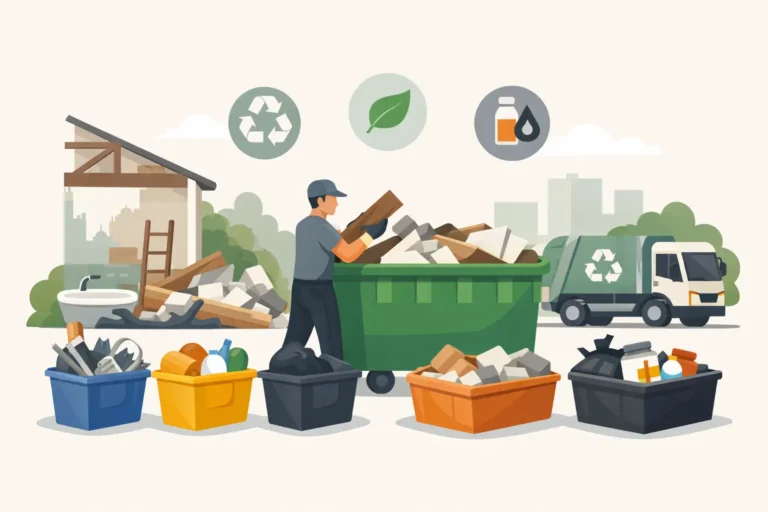
Customers often think in terms of rubbish, but waste covers far more than black bags and household junk. In property maintenance, it can include broken tiles, old insulation, torn felt, timber offcuts, plasterboard, hardcore, hedge cuttings, soil, fencing panels, guttering and unwanted fixtures.
Some materials need extra care. Plasterboard, certain types of chemicals, paints, adhesives and hazardous items cannot simply be mixed into a general load. That is another reason a proper waste removal service matters. A licensed operator is more likely to know what can be taken together, what needs separating and what requires specialist handling.
How to tell if a waste carrier is legitimate
You do not need to become an expert in waste law. You just need to ask sensible questions and avoid being rushed.
A legitimate contractor should be clear about being licensed, insured and responsible for disposal. They should be able to explain what they are taking, how the job will be priced and what happens to the waste afterwards. If someone avoids the question, offers a vague cash-only deal or cannot give you confidence, that is a warning sign.
It is also worth paying attention to how they operate generally. Do they look organised? Are they clear about the scope of work? Do they offer proper quotes? Professional waste removal usually comes with the same standards you would expect from any reliable trade – turning up when promised, loading safely, leaving the site tidy and taking responsibility for the full job.
Do I need licensed waste removal if my builder is already on site?
Yes, you still need to know who is dealing with the waste. A lot of property jobs involve more than one task at once. You may be having a roof repaired, a wall rebuilt, fencing replaced and the whole area cleared afterwards. That is convenient, but only if the contractor handles every part properly.
This is where an all-in-one team can make life easier. Instead of hiring one firm for the repair and another for the rubbish, you can have the waste removed as part of the wider works by a licensed contractor. That cuts down on delay, mixed messages and extra handling.
For customers in Surrey and Middlesex, that practical approach is often the main benefit. One team manages the repair, the clearance and the clean-up, so you are not left chasing separate trades.
The cost question – is licensed waste removal more expensive?
Sometimes it is, at least on paper. Proper disposal costs money. Labour, loading time, vehicle use, legal tipping charges and recycling all factor in. An unrealistically cheap quote can be a sign that those costs are being dodged rather than managed.
That said, licensed waste removal is not about paying over the odds. It is about paying for the job to be done properly. A fair quote should reflect the type of waste, the volume, access to the site and whether there are heavy materials such as rubble or soil.
The cheapest option can quickly become the most expensive if waste is dumped, extra collections are needed or the job has to be redone. Most customers would rather know the cost upfront and have the site properly cleared than gamble on a bargain that creates more problems.
Why local knowledge helps
Waste clearance is rarely just about loading a van. Access can be tight, especially on residential roads, shared drives and rear gardens. Some jobs need fast turnaround because a skip is not practical, neighbours need access maintained, or repair works cannot continue until the rubbish is gone.
A local contractor who knows the area can usually handle that more efficiently. They understand the type of properties involved, the parking issues, the common repair waste from older homes and the need to keep the job moving. That is often just as valuable as the clearance itself.
For a homeowner or landlord, the real benefit is peace of mind. You want the waste gone, the area left tidy and no loose ends afterwards.
The sensible way to decide
If waste is leaving your property as part of a paid job, treat licensing as a basic requirement, not an optional extra. Ask who is removing it, whether they are licensed, and whether the full clearance is included in the quote. If the answer is unclear, keep looking.
A dependable contractor will not make this complicated. They will explain the job plainly, price it properly and take responsibility from collection to disposal. That is exactly what customers should expect, whether the job is a few broken fence panels or a full post-renovation clearance.
AJW Specialists Property Maintenance deals with this sort of work the way it should be handled – practical, straightforward and fully accountable. And if you are still asking do I need licensed waste removal, the better question is this: do you really want to risk using anyone who is not?