Torch On Roofing System Explained
A leaking flat roof usually starts as a small nuisance – a damp patch on the ceiling, a drip near the wall, a bit of bubbling in the surface outside. Left alone, it rarely stays small for long. A torch on roofing system is one of the most common ways to waterproof a flat roof properly, and for many homeowners and landlords it offers a tough, long-lasting solution when felt has failed or an older roof is simply at the end of its life.
If you are comparing flat roofing options, the main thing to know is that torch-on felt is not the same as the old-fashioned shed felt many people picture. It is a layered bituminous membrane applied with heat, designed for proper waterproofing on garages, extensions, porches, dormers and other flat or low-pitch roofs. Done properly, it gives a solid weatherproof finish that stands up well to British conditions.
What is a torch on roofing system?
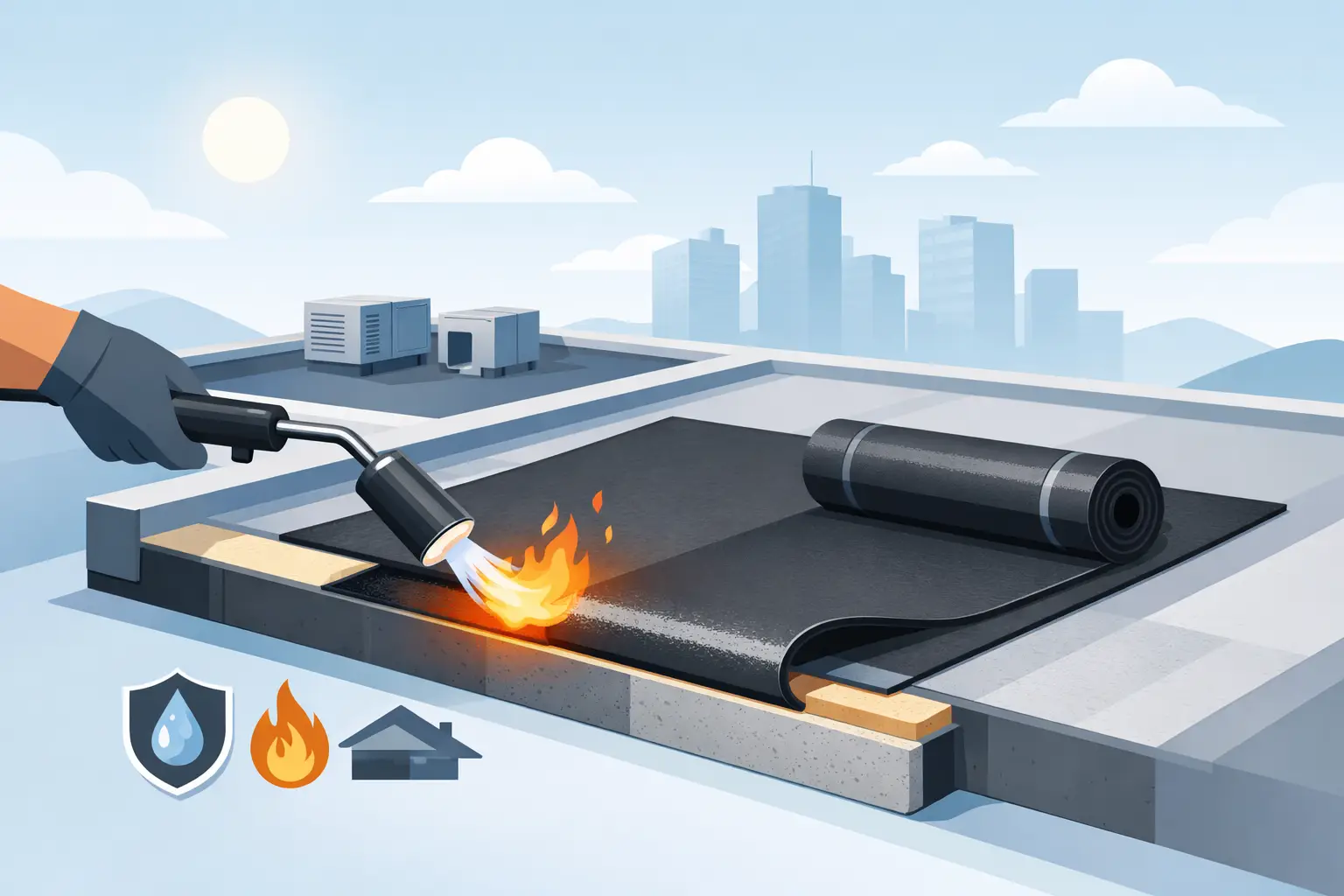
A torch on roofing system is a built-up felt roofing method where sheets of modified bitumen membrane are bonded to the roof surface using a petrol torch. The heat melts the underside of the membrane so it adheres securely to the layer below. The result is a continuous waterproof covering with sealed laps and a durable top layer.
In most cases, the system is installed in two or three layers. That can include a base layer, sometimes an underlay, and a mineral-finished cap sheet on top. Each layer has a job to do. Together, they create a roof covering that is far stronger and more dependable than a single thin layer.
For domestic properties across Surrey and Middlesex, this type of system is often chosen because it balances cost, durability and repairability well. It is a practical option rather than a flashy one, which is often exactly what property owners want.
Where a torch on roofing system works best
Torch-on roofing is most commonly used on flat roofs and low-slope roofs where water needs to drain steadily without finding weak points. It suits garage roofs, bay tops, rear extensions, outbuildings and small commercial units. It can also be a good fit for larger flat roof areas when the deck is sound and access is suitable.
That said, it is not a one-size-fits-all answer. If a roof has complex detailing, poor ventilation, rotten decking or underlying structural movement, those issues need dealing with first. Simply laying new membranes over a bad base does not solve the real problem. A proper inspection matters more than the material alone.
Why many property owners still choose torch-on felt
The reason torch-on remains popular is straightforward – it works. When installed by an experienced roofer, it provides reliable waterproofing, good lifespan and strong resistance to normal wear. It also copes well with the everyday demands put on domestic flat roofs, including rain, frost and UV exposure.
Another advantage is that repairs can often be more manageable than with some other systems. If damage is localised, it may be possible to repair a section rather than replace the entire roof. That depends on the age of the roof and the extent of the failure, but it is a real benefit when maintenance is needed.
Cost is another factor. A torch on roofing system is usually more affordable than some premium flat roofing options, while still offering a professional, durable finish. For landlords and homeowners trying to keep a property weather-tight without overspending, that balance can make sense.
How the installation process usually works
The quality of the finished roof depends heavily on preparation. Before any membrane goes down, the roofer should assess the deck, edges, upstands, outlets and existing condition of the roof. If the timber beneath has gone soft, if moisture is trapped, or if flashings are failing, those problems should be addressed first.
Once the roof is ready, the surface may be primed and the base layer fixed or bonded in line with the roof design. The torch is then used to heat the underside of each membrane roll as it is carefully laid into place. Seams are overlapped and sealed to prevent water ingress. The top layer is commonly finished with mineral granules, which help protect the membrane from sunlight and surface wear.
Good workmanship shows in the details. Neat edges, properly formed corners, secure trims and correctly sealed joints matter just as much as the field area of the roof. Most flat roof failures start at the weak points, not in the middle.
Safety matters with torch-on roofing
Because this system uses an open flame, it is not a casual DIY job. There is real fire risk if the work is carried out carelessly or in the wrong conditions. Timber roofs, insulation boards, dry debris and nearby materials all need proper control on site.
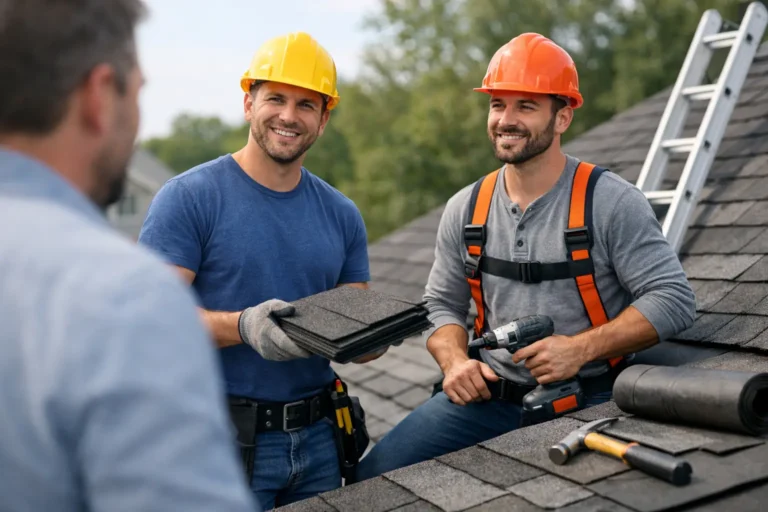
This is where experience counts. A trained, insured roofing contractor will understand how to manage heat application, fire watch procedures and safe working methods. For occupied homes and local commercial premises, that peace of mind is just as important as the roof covering itself.
How long does a torch on roof last?
There is no honest one-line answer because lifespan depends on the materials used, the number of layers, exposure, foot traffic and the standard of installation. In general, a properly installed torch-on felt roof can last for many years and gives a dependable service life when looked after.
What shortens lifespan most often is poor fitting, trapped moisture, bad drainage and neglected minor defects. A blocked outlet or lifted edge may seem small at first, but flat roofs do not forgive inaction for long. Regular checks help catch issues before they turn into leaks inside the property.
Signs your flat roof may need replacement rather than patching
Some flat roofs are worth repairing. Others are past that point. If the felt is blistering across large areas, if water is getting in at multiple points, if the deck beneath feels spongy, or if the roof has been patched repeatedly over the years, replacement is often the better investment.
You should also be cautious if water sits on the roof for long periods. Minor ponding is not unusual on some flat roofs, but persistent standing water can put extra strain on the system and expose weaknesses faster. A contractor should check whether the issue is surface wear, poor falls, blocked drainage or a combination of all three.
Torch-on compared with other flat roofing options
It is sensible to ask how torch-on felt compares with alternatives such as GRP fibreglass or single-ply membranes. The answer depends on the roof, the budget and the condition of the substrate.
Torch-on felt is proven, widely used and well suited to many domestic roofs. GRP can offer a neat finish and works well in some settings, particularly on smaller roof areas with suitable dry conditions during installation. Single-ply systems can be effective too, especially on certain commercial roofs. None is automatically best in every case.
For many local properties, torch-on is chosen because it is a dependable trade solution with a solid track record. It is not about chasing trends. It is about fitting the right system for the roof in front of you.
What to expect from a good roofing contractor
If you are getting quotes for a torch on roofing system, look for clear advice rather than sales talk. A decent contractor should explain the condition of the existing roof, whether strip-off is needed, what layers will be installed, how edges and flashings will be finished, and what guarantee is offered.
They should also leave the site tidy and dispose of waste properly. That matters more than people think, especially when old roofing materials, timber and debris are being removed from a domestic property. AJW Specialists Property Maintenance works with that practical approach – straightforward advice, fully insured work and a proper clean-up once the job is done.
Fast response also matters when a roof is already leaking. Water ingress can damage plaster, electrics, insulation and flooring surprisingly quickly. If a temporary repair is needed before full replacement, that should be handled promptly and safely.
Is a torch on roofing system right for your property?
If you have a flat or low-pitch roof and want a proven waterproofing method with good durability, a torch on roofing system is well worth considering. It is especially suitable where you need a strong, practical finish rather than a cosmetic upgrade. For garages, extensions and many residential flat roofs, it remains a reliable choice.
The key is not just choosing the material. It is making sure the roof is assessed properly, the base is sound and the installation is carried out by experienced hands. A cheap job on a flat roof often turns into an expensive one.
If your roof is showing signs of wear, the best next step is a proper inspection and a clear quote based on what is actually there. A sound flat roof should keep the weather out without constant attention – and once it is done right, that is one less thing to worry about.