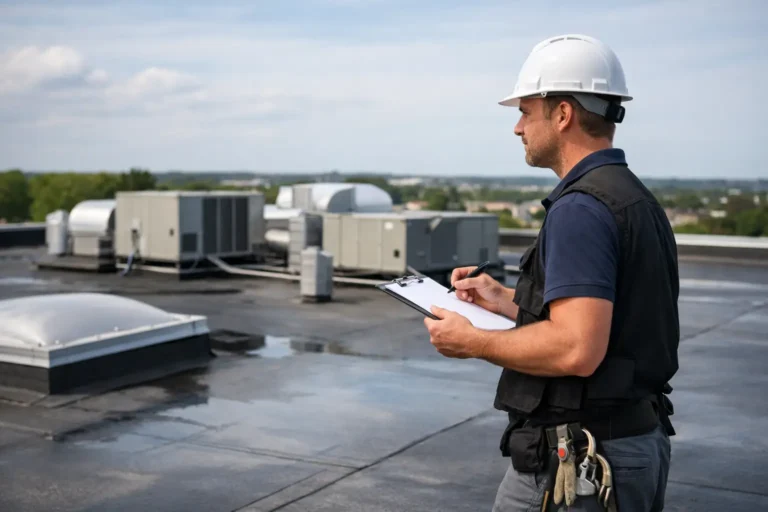
Need an Emergency Roofer in Staines Tonight?
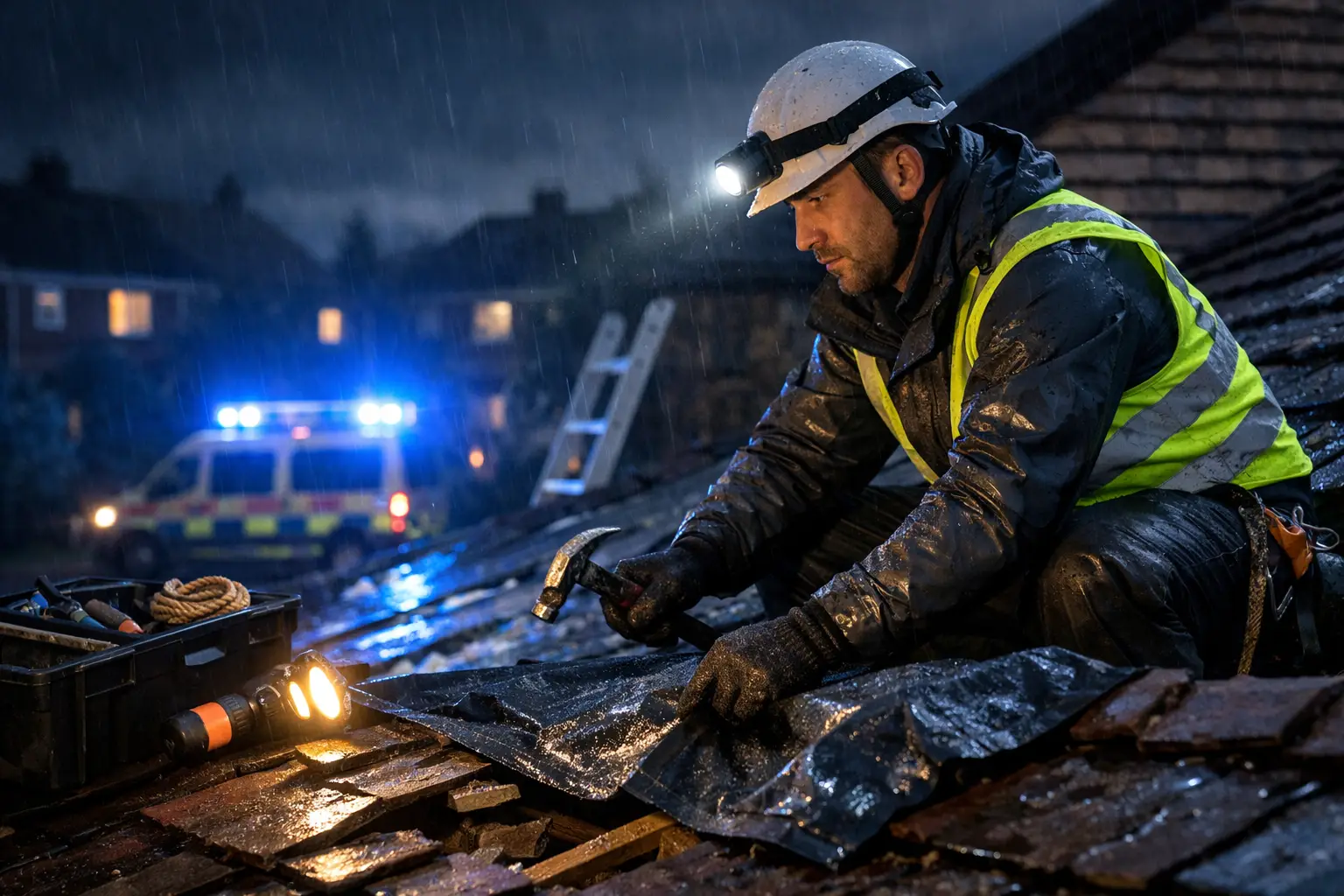
A stain spreading across the ceiling, water running down an internal wall, or tiles scattered across the drive after high winds are not problems to leave until morning. When you need an emergency roofer Staines property owners can rely on, the priority is simple: make the building safe, stop further water getting in where possible, and arrange a proper inspection.
A roof emergency can affect far more than the roof covering. Water can soak insulation, damage plasterboard, affect electrics and create damp problems that cost far more to put right. Fast action matters, but so does using a contractor who works safely and explains what needs doing without guessing.
What counts as a roofing emergency?
Not every loose tile needs an immediate out-of-hours callout. A single slipped tile on a dry, settled day may be suitable for a booked repair. However, some faults need urgent attention because they expose the property, create a safety risk or are likely to worsen quickly.
Active water ingress is the clearest example. If rainwater is coming through the roof and entering rooms, it can travel well beyond the point where it first appears. A damp patch on a bedroom ceiling may be caused by a fault some distance away, around a valley, chimney flashing, ridge line or flat roof edge.
Storm damage also needs prompt assessment. Missing or lifted tiles, torn felt, damaged leadwork, loose ridge tiles, broken guttering and fallen branches can all leave vulnerable areas exposed. If part of the roof has become unstable, keep people away from the affected area and do not attempt to inspect it from a ladder.
For landlords and small commercial premises, a damaged roof can also put tenants, stock and business operations at risk. Acting quickly helps protect the building and shows that you have responded responsibly to the issue.
What to do before the roofer arrives
Your safety comes first. Do not climb onto the roof, especially in rain, high winds or darkness. Wet tiles, moss and loose materials make roofs dangerous even for experienced tradespeople with the right equipment.
Inside the property, move furniture, electronics and valuables away from the leak. Put a bucket or suitable container beneath drips, and use old towels to limit water spreading across flooring. If a ceiling is bulging with trapped water, stay clear of it. A waterlogged ceiling can fail without much warning.
If water is close to lights, sockets or electrical equipment, switch off the relevant circuit only if it is safe to do so. If you are unsure, leave it alone and contact a qualified electrician as well as arranging the roofing repair.
From ground level, take clear photographs of visible damage if conditions allow. They can help with an insurance claim and give the contractor useful information before attending. Do not stand beneath loose gutters, hanging tiles or damaged chimney work to get a better picture.
Emergency roofer Staines: a safe first response
A proper emergency visit is not about promising a full replacement roof in the middle of a storm. It is about finding the source of the problem, making the area safe and carrying out practical temporary protection where needed.
Depending on the damage and weather conditions, this may involve securing loose materials, replacing accessible broken tiles, applying a temporary weatherproof covering or sealing a local fault around flashing or roof edges. The right solution depends on the roof type, access, the extent of damage and whether the area can be worked on safely at that time.
Temporary work is sometimes the sensible choice. For example, a large section of damaged flat roof may need protecting first, then returning to for a permanent repair once it is dry and materials can be properly installed. A dependable contractor should be clear about the difference between an emergency make-safe and the lasting repair required afterwards.
At AJW Specialists Property Maintenance, urgent roofing work is approached with the same practical focus as any exterior repair: assess the risk, protect the property, explain the work and leave the site tidy. With more than 20 years of hands-on building experience, the team can also help where roof damage has affected related exterior areas such as guttering, fencing, sheds or garden structures.
Common causes of sudden roof leaks
Heavy rainfall often reveals faults that have been developing quietly for months. Cracked mortar, worn flashing or a blocked gutter may cope in normal weather, then fail when rain is driven hard against the roof.
On pitched roofs, slipped, cracked or missing tiles are common culprits. Strong gusts can lift tiles and ridge sections, particularly where fixings have weakened over time. Flashing around chimneys, skylights and roof junctions is another frequent source of leaks, as these areas rely on correctly fitted waterproof detailing rather than tiles alone.
Flat roofs need close attention at seams, edges, outlets and areas where water ponds. Splits in felt, failed joints and damaged coverings can allow water beneath the surface. The visible leak indoors may not sit directly below the fault, which is why a thorough inspection is more useful than a quick patch applied in the wrong place.
Blocked or broken gutters can make matters worse. Overflowing water may soak fascia boards, run behind gutters and enter weak points around the roofline. Clearing and repairing the drainage route can be part of preventing the same issue returning.
Choosing a contractor in an emergency
When water is coming in, it is tempting to accept the first person who offers to attend. That can lead to rushed work, unclear costs or a repair that fails at the next spell of rain. Ask straightforward questions before agreeing to work: are they insured, what can they do safely today, and will they explain any further work needed?
A local contractor should provide a clear assessment and quote, rather than pressuring you into a major job before the damage has been inspected. Be wary of vague claims that the entire roof needs replacing immediately, particularly if no proper examination has taken place.
It also helps to choose a team able to deal with the aftermath. Storm damage can leave broken tiles, branches, damaged gutter sections and other waste around the property. Licenced waste handling means that material is removed responsibly, rather than becoming another problem for the homeowner or landlord.
After the immediate repair
Once the roof is protected, give the affected internal area time to dry. Do not repaint a water-stained ceiling straight away, as trapped moisture can cause staining to return and may affect the finish. Depending on the leak, insulation, timber and plasterboard may need checking before redecorating.
Keep records of photographs, invoices and the contractor’s findings if you plan to contact your insurer. Insurers commonly expect reasonable steps to prevent further damage, so an emergency make-safe can be a sensible part of managing the claim. Your policy will determine what is covered, so check the wording rather than assuming every repair is included.
It is also worth arranging a wider roof and gutter check once conditions have settled. A repair may solve the immediate leak, but nearby tiles, flashing and drainage could show signs of wear that deserve attention before the next storm.
A fast response is only useful if the repair holds
Roof emergencies are stressful, particularly at night or during severe weather. The best response is calm and practical: stay off the roof, protect the inside of the property, document what you can safely see and call an insured local professional.
A temporary repair can buy valuable time, while a careful follow-up repair protects your property for the longer term. If your roof is leaking, damaged by wind or leaving part of the building exposed, arrange an urgent assessment and get the problem dealt with properly before a small fault turns into major damage.