When to Call a Flat Roof Specialist in Middlesex
A small water mark on a bedroom ceiling can be the first sign of a much bigger problem above it. If you need a flat roof specialist in Middlesex, acting early gives you the best chance of keeping the repair straightforward, contained and affordable. Leave a leaking roof through a few heavy downpours and water can travel into insulation, timbers, walls and electrics before it becomes obvious inside.
Flat roofs are common on extensions, garages, porches, bay windows, dormers and commercial units. When installed and maintained correctly, they are a practical and long-lasting roofing solution. The trouble is that their defects are not always easy to spot from ground level. A roof may look broadly sound while a split seam, failed edge detail or blocked outlet is allowing water to work underneath the covering.
The signs a flat roof needs attention
A leak is the clearest warning sign, but it is not the only one. Damp patches, peeling paint, mould around the top of a wall or a musty smell in an upstairs room all need checking. Water does not always appear directly beneath the fault, so guessing where it is getting in can lead to a repair in the wrong place.
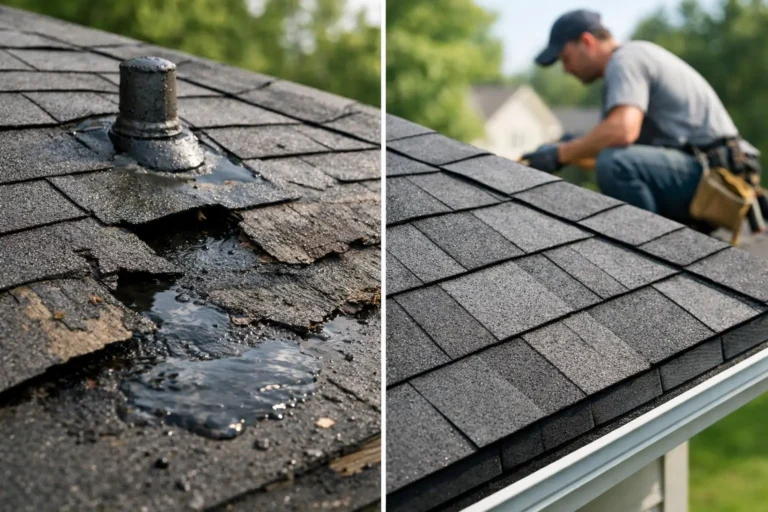
Outside, look for standing water that remains more than a day or two after rain, visible cracks, lifting edges, loose flashing, blisters in felt or membrane, and vegetation growing from joints or outlets. On older roofs, a sagging area can indicate that the deck beneath has softened through prolonged moisture exposure.
A garage roof often gets overlooked because it is separate from the house. That does not make a defect less urgent. Once the timber deck starts to deteriorate, a simple covering repair can become a more involved job involving replacement boards, fascias or structural repairs.
What a flat roof specialist in Middlesex checks
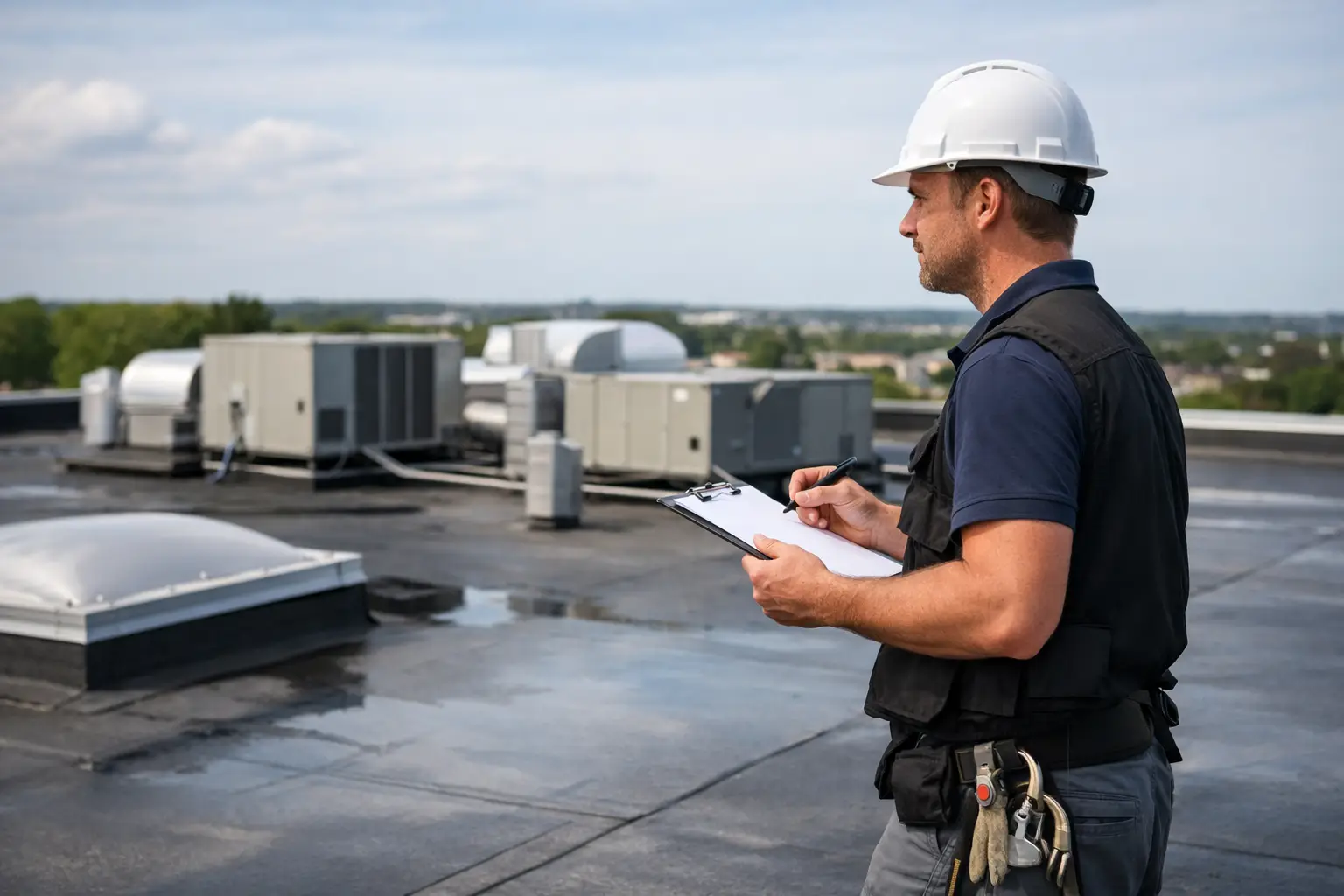
A proper inspection is about more than applying sealant to the visible crack. The aim is to find the cause of the water ingress and check whether it has affected the roof structure. An experienced contractor will assess the condition of the roof covering, seams and joints, perimeter edges, flashings, drainage points and the fall of the roof.
Flat roofs are built with a slight fall to direct rainwater towards a gutter, outlet or hopper. If water repeatedly pools in one place, the issue may be blocked drainage, poor original falls, movement in the roof deck or a worn-out covering. Clearing an outlet may solve the problem. In other cases, the roof may need local levelling work or replacement with an improved drainage design.
The inspection should also include adjoining details. Leaks frequently occur where a flat roof meets a wall, rooflight, parapet or pitched roof. These junctions need the right upstands, flashing and weatherproof finish. A patch on the main roof area will not last if the real weakness is around the edge.
For homeowners and landlords, the key point is clarity. You should be told what has failed, what work is needed now, what could wait, and whether a repair is likely to offer a sensible lifespan. A free quote should set out the scope of work rather than leaving you to interpret vague wording.
Repair or replacement: which makes sense?
Not every worn flat roof needs replacing. A localised split, damaged flashing or isolated area of failed felt can often be repaired successfully when the rest of the roof is dry, secure and in good condition. This is particularly worthwhile on a relatively new roof where the fault has a clear cause, such as storm damage or a puncture.
Replacement becomes the better value option when leaks keep returning, the covering is brittle or extensively cracked, water has reached the timber deck, or several previous patches are already in place. Repeated short-term repairs can cost more over time and still leave the property exposed every time the weather turns.
The right choice depends on the roof’s age, the material already in place, its condition underneath and your plans for the property. A landlord preparing a property for a new tenancy may reasonably prefer a full renewal for peace of mind. A homeowner with a single, recent defect may only need a targeted repair. There is no benefit in recommending a full replacement where a sound repair will do the job properly.
Choosing the right roofing material
There is no one covering that suits every flat roof. Traditional felt systems remain a widely used option and can be a good fit for garages, extensions and smaller roof areas when installed correctly. Modern felt systems are far more durable than the basic coverings found on many older roofs.
EPDM rubber is another popular choice. It is hard-wearing, has fewer joints on smaller roofs and is well suited to straightforward shapes. GRP fibreglass provides a tough, clean finish and can work well where a seamless surface is required, although the roof preparation and weather conditions during installation are important.
The best material depends on the size and shape of the roof, existing construction, drainage, foot traffic and budget. A roof that will only be viewed from an upstairs window has different requirements from one that supports regular access for maintenance. What matters most is that the system is correctly specified and the detailing around edges, outlets and walls is completed to a high standard.
Why drainage and maintenance matter
A flat roof should not be treated as a fit-and-forget part of the property. Leaves, moss and wind-blown debris can block gutters and outlets, especially after autumn weather. Water then backs up across the roof and puts pressure on seams, flashings and weak points.
A quick visual check after heavy rain is useful. If you can safely see the roof from a window or the ground, look for water sitting in the same area, overflowing gutters or loose material. Do not climb onto a roof without proper access and safe equipment. Walking on an ageing or wet roof can cause damage and puts you at risk of a fall.
For landlords and commercial occupiers, planned checks are particularly useful. They help identify minor defects before tenants report an internal leak, and they provide a clearer record of maintenance carried out on the building.
What to do when water is coming in
If a flat roof is leaking during heavy rain, protect the inside of the property first. Move furniture and electrical items away from the affected area, place a container under any active drip and avoid touching light fittings or electrical points near the damp patch. If water is close to electrics, switch off the relevant circuit only if it is safe to do so.
Do not rely on indoor paint or a quick coating as a fix. The roof needs to be inspected once conditions allow. Temporary emergency work can reduce further water ingress, but the source still needs a proper repair. Take photographs of the visible damage if safe, particularly if the leak follows storm conditions or has affected a rented or commercial property.
AJW Specialists Property Maintenance provides fast local support for roofing issues alongside exterior repairs and site clearance. That can be useful where a roof problem has also damaged fascias, fencing, garden structures or left materials that need removing after the work is complete.
Questions worth asking before work starts
A dependable contractor should be comfortable answering practical questions. Ask whether the roof deck has been checked, how drainage will be dealt with, what material is proposed and why it suits your roof. Confirm what is included in the quote, including removal of old materials and leaving the area tidy.
It is also sensible to ask about insurance, guarantees and the expected timescale. Price matters, but the cheapest quote is not always the least expensive outcome. Poor edge details, inadequate preparation and unlicensed waste disposal can turn a small roofing job into a repeat problem.
A flat roof rarely fails without giving some warning. Deal with staining, ponding water or damaged edges while the issue is still manageable, and you are far more likely to protect the rooms and structure beneath it. For urgent leaks or a straightforward assessment, arrange a free quote and get the roof checked before the next spell of rain tests it again.