Roof repairs: what to fix and when

A small leak rarely stays small for long. What starts as a damp patch on the ceiling or a slipped tile after high winds can turn into rotten timbers, damaged insulation and much higher costs if it is left alone. That is why roof repairs are best dealt with early, with a proper look at the cause rather than a quick cover-up.
For most homeowners and landlords, the difficulty is not spotting that something is wrong. It is knowing whether the problem needs urgent attention, whether a repair will actually solve it, and whether there may be related issues around gutters, brickwork or waste that need sorting at the same time. A good contractor should make that clear from the start.
When roof repairs should not wait
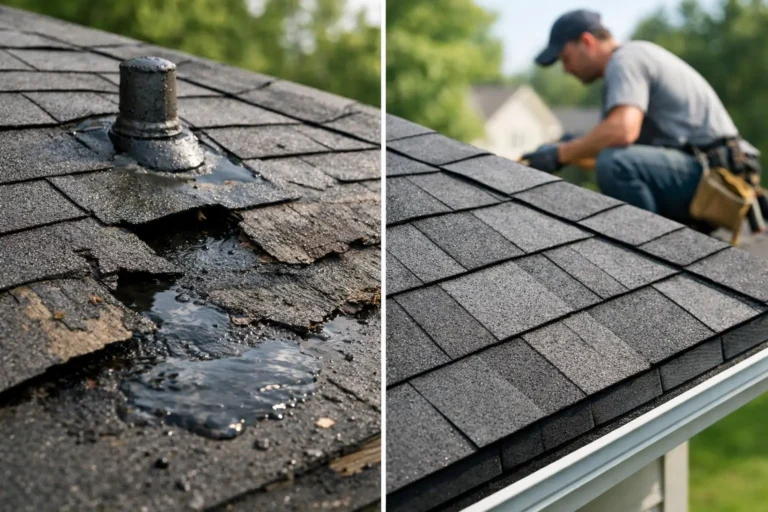
Some faults can be monitored for a short time. Others need a fast response because water damage spreads quickly and weather exposure makes a bad area worse. If water is actively coming in, if roof tiles have come off, or if flashing has lifted around a chimney or wall junction, it is sensible to get it inspected straight away.
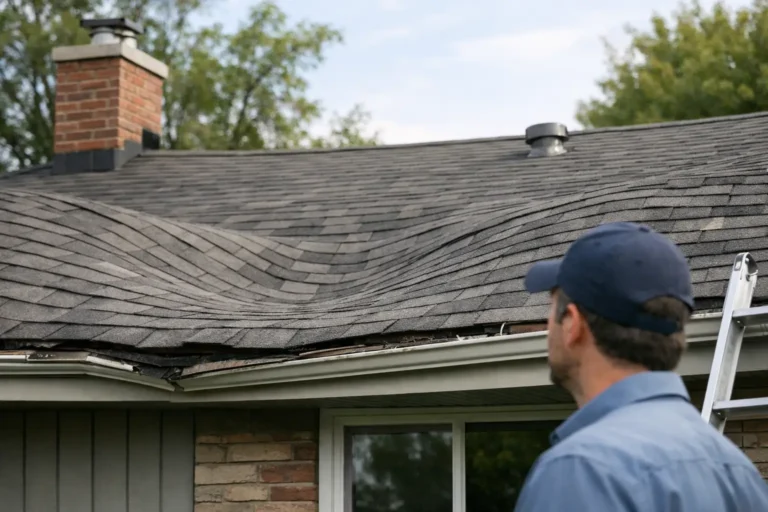
Storm damage is another common reason for urgent work. A roof may look broadly intact from the ground, but strong winds can loosen ridge tiles, shift felt, crack mortar bedding and leave vulnerable gaps. Once that protective layer is compromised, the next spell of rain tends to find its way in.
Flat roofs deserve special mention here. Ponding water, splits in the surface and failed edges can move from a local issue to a broader leak very quickly. On a pitched roof, a single broken tile may be the main problem. On a flat roof, trapped water often points to drainage or surface failure that needs proper attention, not just patching over.
Signs your roof needs attention
Many roofing problems show up indoors before anyone notices them outside. Brown ceiling marks, peeling paint near the top of a wall, musty smells in the loft and damp insulation all suggest that water is getting where it should not. Sometimes the roof is the direct cause. Sometimes the issue starts with blocked guttering, damaged soffits or failed flashing that channels water back into the property.
Outside, obvious warning signs include slipped or missing tiles, cracked slates, loose ridge lines, sagging gutter brackets and moss build-up that is holding moisture against the roof covering. Lead flashing around chimneys, dormers and abutments is another common weak point, especially on older properties.
It also matters how old the roof is and what repairs have been done before. If one area has been patched several times, the real issue may be more widespread deterioration. A targeted repair can still be the right answer, but only after the condition of the surrounding roof has been checked properly.
Roof repairs or replacement?
This is the question many customers ask, and the honest answer is that it depends on the age of the roof, the extent of the damage and the cost of repeated fixes. Not every leak means a full new roof. In fact, many issues can be resolved with straightforward repairs if the main roof structure is still sound.
Replacing a handful of tiles, renewing flashing, re-bedding ridge tiles or repairing a localised flat roof fault is usually far more cost-effective than large-scale works. That is especially true when the problem has been caught early and the timbers underneath remain dry and solid.
On the other hand, if there are multiple leaks, widespread felt failure, decayed battens, recurring ridge problems and signs that the roof covering has reached the end of its working life, repeated repairs may only delay the bigger job. Good advice should save you money in the long run, not just secure the next call-out.
Common types of roof repairs
A lot of roofing faults fall into familiar categories. Tile and slate replacement is one of the most common, especially after wind damage or impact. Ridge tile repairs are also frequent, as mortar can crack and weaken over time. If left, loose ridge tiles become a safety issue as well as a weatherproofing problem.
Flashing repairs matter because roof junctions are where many leaks begin. Around chimneys, parapet walls and extensions, even a small gap can let water track into hidden areas before any stain appears inside. That is why diagnosing the entry point matters more than simply sealing whatever looks wet.
Flat roofing repairs often involve patching splits, renewing small damaged sections, improving drainage falls or addressing failed upstands and trims. With flat roofs, workmanship makes a real difference. A patch done badly can trap water or fail at the edges, which is why experience counts.
Guttering and roofline repairs are often tied in with roofing work. Overflowing gutters, broken downpipes and rotten fascias can create symptoms that look like roof failure. Sorting the roof without dealing with the drainage side can leave the property with the same problem after the next heavy rain.
Why proper access and inspection matter
Roofing decisions made from the ground are often guesswork. You can sometimes see a missing tile from below, but not the condition of the felt, the nearby mortar, the leadwork or the hidden path water is taking. That is why a proper inspection matters before any repair is priced or started.
This is also where experience shows. An older roof may have more than one issue at the same time, and some faults are linked. For example, a leak near a chimney breast might be caused by flashing, cracked mortar joints, porous brickwork or a combination of all three. If only one part is repaired, the leak may return and the customer is left paying twice.
For landlords and commercial occupiers, a clear assessment is even more important. Repairs need to be practical, safe and proportionate, especially where tenants, access routes or business operations are involved.
What affects the cost of roof repairs?
The size of the damaged area is only one part of the price. Access, roof height, the type of covering, how urgent the work is and whether there is hidden damage underneath all play a part. A quick tile replacement on a low roof is very different from repairing chimney flashing on a taller property or opening up a flat roof to inspect soaked decking.
Emergency call-outs can also cost more than planned work, but waiting is not always cheaper. If delaying a repair means internal plaster damage, ruined insulation or timber decay, the final bill often ends up higher. The aim should be to fix the fault at the right time, before it spreads.
Customers also benefit when one contractor can handle related external works. If roof repairs are tied in with guttering, brickwork, waste clearance or making good after the job, it saves time and removes the need to organise several trades separately.
Choosing a contractor for roof repairs
Most people are not looking for the cheapest figure on paper. They want somebody who turns up, explains the problem plainly, carries out the repair properly and leaves the site tidy. That is especially true after storm damage or when a leak is affecting day-to-day life.
Insurance, experience and accountability matter. So does local response. A contractor working regularly across Ashford, Staines and the wider Surrey and Middlesex area will understand the common property types, the weather exposure and the practical urgency of getting a roof secure quickly.
AJW Specialists Property Maintenance takes that trade-led approach – inspect the problem properly, advise honestly, carry out the repair safely and clear up afterwards. For homeowners and landlords, that straightforward service is often just as important as the repair itself.
How to help your roof last longer after repairs
Once a repair has been carried out, basic maintenance goes a long way. Keep gutters clear, especially after autumn leaf fall and winter storms. Have slipped tiles and loose flashing checked before they become leaks. If moss growth is heavy, get advice before it starts holding moisture against the roof covering or blocking drainage paths.
It is also worth keeping an eye on loft spaces after severe weather. You do not need to be an expert. A quick look for damp patches, daylight where it should not be, or wet insulation can flag up a problem early.
The main thing is not to ignore small signs because the ceiling is still dry. Roofs usually give warnings before they fail properly. Acting on those warnings keeps repair work smaller, simpler and easier to manage.
A sound roof protects everything underneath it, so when something changes, trust your instincts and get it looked at before a minor fault turns into a major job.