Best Roofing Materials for Extensions Explained
A new extension can transform how a property works, but the roof is what decides whether it stays warm, dry and low-maintenance for years to come. The best roofing materials for extensions are not always the most expensive or the most popular – they are the materials that suit the roof design, the existing building, your budget and the way water will drain away.
For homeowners across Surrey and Middlesex, the right choice often comes down to one question: is the extension better suited to a flat roof or a pitched roof? Both can be excellent when designed and fitted properly. Getting the structure, insulation and weatherproofing right matters just as much as the covering you choose.
Start With the Roof Shape, Not the Material
A pitched extension roof generally works well where you want to match the appearance of the main house. It gives rainwater a clear route into gutters and allows for traditional materials such as tiles, slate or metal sheeting. It can also create more internal height, depending on the design.
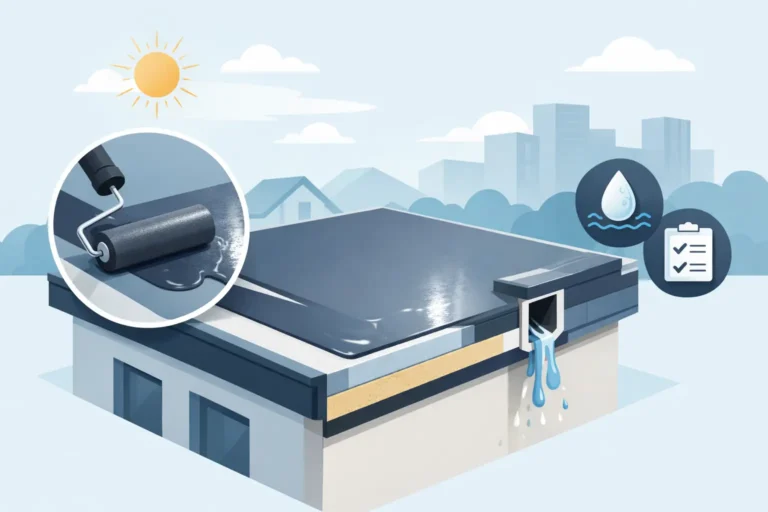
A flat roof is often the practical choice for rear extensions, kitchen extensions, garages and ground-floor additions. Despite the name, it is never completely flat. It needs a slight fall so rainwater runs towards the outlet or gutter rather than sitting on the surface. Modern flat roofing systems are a world away from the old felt roofs that many people remember, but only if the roof deck, insulation and drainage are properly installed.
Before settling on a finish, check whether the existing walls and foundations can support the proposed roof weight. This is particularly important if you are considering natural slate or concrete tiles. Building Regulations will also affect insulation levels, ventilation and structural design. A good contractor will assess these points before materials are ordered, not after work has started.
Best Roofing Materials for Extensions
EPDM rubber roofing
EPDM is a durable rubber membrane widely used on flat roofs. It is a strong option for extensions because it is flexible, resistant to weathering and usually fitted in large sheets with few seams. Fewer joins mean fewer places for water to find its way through.
For a straightforward flat extension, EPDM can offer good value and a clean finish. It is also suitable beneath some roof terraces and green roof systems when the full build-up has been designed for that purpose. The material itself is tough, but its performance still depends on careful detailing around edges, rooflights, pipes and outlets.
The main limitation is appearance. From ground level it is usually unobtrusive, but it does not offer the traditional look of slate or tiles. It also needs a sound, smooth roof deck beneath it, so rotten timber or uneven surfaces must be dealt with first.
GRP fibreglass roofing
GRP, often called fibreglass roofing, is another popular flat-roof option. It forms a hard, joint-free surface that can be particularly useful on small to medium-sized extensions, porches and bay roofs. Once cured, it provides a tidy, durable finish and can be made with a non-slip surface where access is needed for maintenance.
Fibreglass is a good choice where a crisp, solid finish matters. It can work well around rooflights and awkward details when fitted by an experienced roofer. However, installation is weather-sensitive. The deck must be dry, and the resin needs suitable conditions to cure properly. Rushing a GRP installation during poor weather can cause problems that are avoidable with proper planning.
High-performance felt roofing
Modern felt roofing is not the same as a single thin layer of felt nailed to a timber roof. A quality built-up felt system uses multiple bonded layers, often finished with a mineral surface, to create a dependable waterproof covering.
It remains a sensible option for many extensions because it is cost-effective, repairable and well suited to roofs with straightforward shapes. A high-quality system fitted correctly can provide long service, especially when paired with proper insulation and drainage.
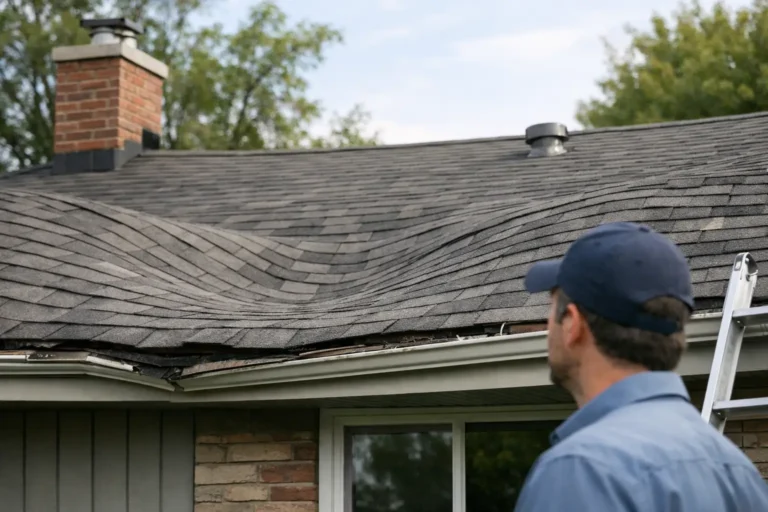
It may not have the visual appeal of a tiled pitched roof, and it can be less forgiving of poor workmanship around seams and flashings. That is why the specification matters. Cheap felt repairs are often false economy if the underlying deck, falls or insulation are already failing.
Clay and concrete roof tiles
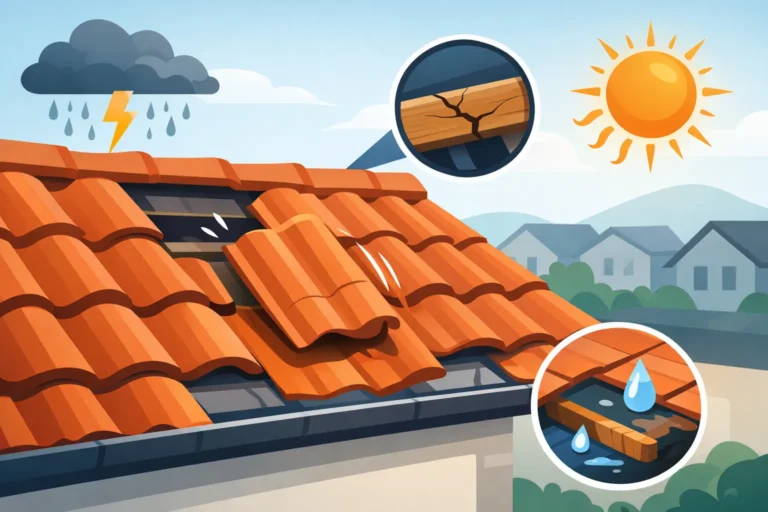
For pitched extensions, tiles are often the natural choice. Clay tiles provide a traditional finish with strong character and can suit period properties well. Concrete tiles are generally more affordable, available in a wide range of profiles and colours, and can be a practical match for many modern homes.
Matching the existing roof is usually the priority on a visible extension. A close match in tile profile, colour and pitch helps the new work look like part of the original property rather than an add-on. Bear in mind that tiles are relatively heavy. The rafters and supporting walls must be designed to carry the load, particularly where the main roof uses lightweight materials.
Tiles also need the right underlay, battens, ventilation and flashing details. The tiles themselves are only one layer of the weatherproofing system. Poorly fitted leadwork around an abutment, chimney or rooflight can cause leaks even when the tiles are in perfect condition.
Natural slate and synthetic slate
Natural slate is one of the longest-lasting roofing materials available and gives an extension a premium, traditional appearance. It is often chosen for older homes or properties where preserving the original character is important. Each slate has slight natural variation, which creates a finish that manufactured materials cannot fully copy.
Its drawbacks are cost and weight. Natural slate needs skilled installation and a structure designed for it. It can be an excellent long-term investment, but it is not always the sensible choice for a modest extension with a tight budget.
Synthetic slate provides a lighter alternative. It can offer a similar appearance at a lower weight and may be easier to install on some structures. Quality varies between products, so it is worth looking beyond the initial price and checking the expected lifespan, warranty and suitability for the roof pitch.
Metal roofing
Standing seam metal and metal roof sheets can suit contemporary extensions particularly well. They are lightweight, shed water efficiently and can cover lower roof pitches than many tile systems. Zinc, aluminium and coated steel all have different costs, finishes and expected lifespans.
Metal is a strong option where you want a modern architectural look or need to keep structural weight down. It can be noisier during heavy rain if the roof build-up is poorly designed, although proper insulation and internal linings greatly reduce this. Detailing at joints, edges and penetrations must be accurate to prevent wind-driven rain getting beneath the sheets.
Insulation Is Part of the Roofing Decision
A good roof covering will not compensate for poor insulation. Most modern extensions are designed as warm roofs, where insulation sits above or within the roof structure and keeps the timber deck warmer. This reduces the risk of condensation and helps create a more comfortable room below.
Cold roof construction can be suitable in some circumstances, but it needs a ventilated void above the insulation. If ventilation is blocked or insulation is poorly fitted, moisture can build up inside the structure and lead to damp timber, mould or heat loss.
Ask how the insulation, vapour control layer, roof deck and waterproof covering will work together. This is particularly relevant for flat roofs, rooflights and areas where the extension joins the existing house. A roof is a complete system, not just the visible top layer.
Do Not Overlook Drainage and Rooflights
Many extension roof issues start with water that has nowhere to go. Gutters, downpipes, outlets and falls should be planned before the roof is fitted. A flat roof needs enough fall to move water efficiently, while a pitched roof needs correctly sized gutters that can cope with heavy rainfall.
Rooflights and Velux windows can bring valuable daylight into an extension, but they need careful flashing and upstand details. They should never be treated as an afterthought. A well-fitted rooflight is a major benefit; a badly fitted one can become the first place a leak appears.
Choosing What Is Right for Your Property
There is no single winner for every project. EPDM, GRP and high-performance felt are all proven choices for flat extensions. Tiles and slate are reliable options where a pitched roof needs to match the house. Metal can be ideal for a lighter, more contemporary design.
The best decision comes from looking at the full job: the roof shape, the property style, structural load, insulation, drainage, access and future maintenance. AJW Specialists Property Maintenance can assess the condition of the existing building and provide a clear, practical quote for extension roofing work. Choose a material that suits the whole roof build-up, and you will be far less likely to face costly repairs once the extension is finished.