GRP Fibreglass Flat Roofing Explained
A flat roof should not be something you have to keep worrying about every winter. If you are dealing with leaks, old felt lifting at the edges, or repeated patch repairs, GRP fibreglass flat roofing is often one of the most reliable long-term options available for garages, extensions, dormers and small commercial roofs.
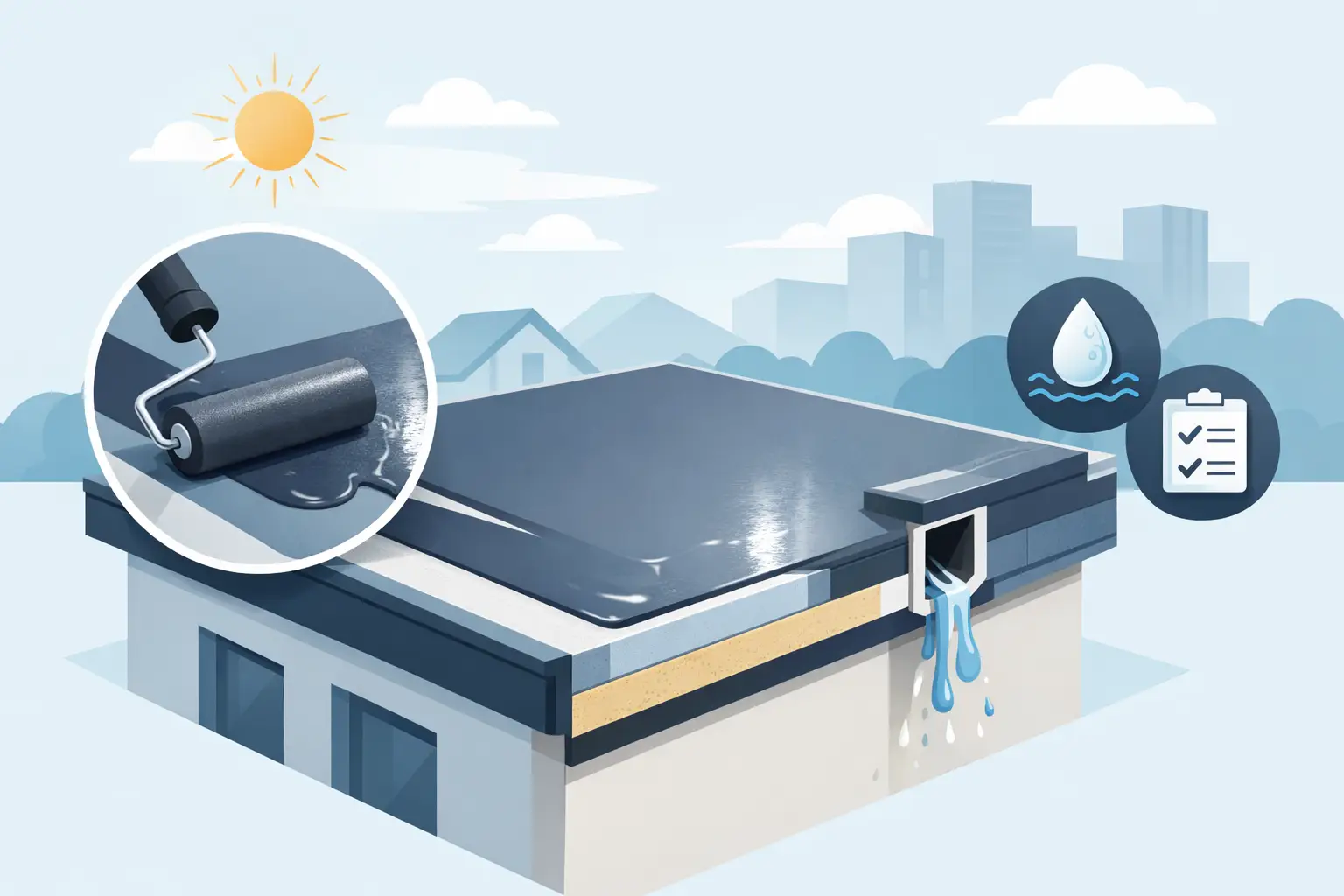
The reason it gets recommended so often is simple. A properly installed GRP roof forms a single, fully bonded surface with no seams across the main area of the roof. That means fewer weak points for water to find its way through. For property owners in Surrey and Middlesex, where roofs take their share of rain, frost and summer heat, that matters.
What GRP fibreglass flat roofing actually is
GRP stands for glass reinforced plastic. In roofing terms, it is a system made up of resin, fibreglass matting and a topcoat, all applied over a suitable roof deck to create a hard-wearing waterproof finish.
Once cured, the surface becomes tough, smooth and resistant to weathering. It is not the same as traditional felt, and it does not behave like rubber roofing either. It is closer to a rigid shell that is bonded in place.
That rigid finish is one of its biggest strengths, but it also explains why installation needs to be done properly. The deck beneath must be sound, dry and correctly prepared. If the structure moves too much or the roof has been badly built underneath, even the best surface finish will not hide those problems for long.
Where GRP fibreglass flat roofing works best
GRP is especially well suited to domestic flat roofs where a neat, low-maintenance finish is wanted. It is commonly used on rear extensions, bay roofs, porches, garages, balconies and dormers. It also works well on many small commercial properties and outbuildings.
One of the main reasons customers choose it is appearance. Compared with older mineral felt systems, GRP tends to look sharper and more modern. The edges, trims and finished surface give a cleaner result, which is useful if the roof is visible from upper windows or from the garden.
It is usually best on roofs with a simple layout and good access. More awkward roofs with lots of detailing can still be done, but the workmanship matters even more. On larger roofs, expansion and movement have to be handled correctly, so the design stage becomes more important.
Why homeowners and landlords choose it
The biggest selling point is longevity when the roof is installed to the right standard. A GRP system can last for many years without the ongoing cycle of patching and re-patching that often comes with older flat roof coverings.
It is also fully waterproof once cured, and because the main field of the roof is seamless, there are fewer joins to fail. That gives peace of mind if you have already had leaks around laps, cracks or tired felt edges.
Maintenance is generally straightforward. A GRP roof still needs checking from time to time, especially after storms or if nearby trees drop debris onto it, but it does not usually demand constant attention. For landlords and busy homeowners, that lower-maintenance appeal is a real benefit.
There is also the practical side. If you are improving a property for resale or letting, a tidy new flat roof can make a noticeable difference. It shows the building has been looked after and helps avoid the kind of damp or ceiling damage that puts off buyers and tenants.
The trade-offs you should know about
No roofing system is right for every job, and it is better to be clear about that from the start.
GRP needs dry conditions and the right temperatures during installation. If the weather is poor, the job may need to be timed carefully rather than rushed. That is not a weakness of the product itself, but it does affect how the work is planned.
The finish is also only as good as the preparation underneath. If a contractor tries to lay GRP over a roof deck that is damp, rotten or uneven, problems can follow. Cracking, poor adhesion and early failure are often linked to bad preparation rather than the material.
It can also be less forgiving than some other flat roofing systems on structures with significant movement. That is why an experienced inspection matters. A good contractor will tell you if the roof needs strengthening, reboarding or redesigning rather than simply quoting for a surface covering.
What a proper installation should include
A good GRP roof starts with the roof deck. In most cases, this means new decking boards suited to the system, securely fixed and laid correctly. If the falls are poor and water is likely to sit on the roof, that should be addressed as part of the job where possible.
Edge trims and drip details are then fitted to control water run-off and finish the perimeter properly. After that, the resin and fibreglass matting are applied, followed by a topcoat that seals and protects the system.
The details matter just as much as the main roof area. Upstands, abutments, corners, outlets and connections to walls or rooflights need to be formed carefully. Most leaks on flat roofs do not start in the middle of the surface. They start at weak details.
This is where using a trade-led team makes a difference. If the roof also needs timber repairs, brickwork adjustments, gutter attention or waste clearance as part of the same job, it helps to have one contractor who can deal with the whole area properly instead of passing the problem around.
How GRP compares with felt and rubber roofing
If you are choosing between systems, the right answer depends on budget, roof shape and long-term plans.
Compared with felt, GRP usually offers a cleaner finish and stronger overall surface. Felt can still be a good option on some roofs, especially where budget is tight, but lower-grade felt systems often have a shorter life and are more prone to wear at joints and edges.
Compared with EPDM rubber roofing, GRP is harder and more rigid once cured. Some customers prefer that solid finish, especially where appearance matters. Rubber can be very effective too, and on certain roof shapes it may be the better fit. The choice is not about one material always beating another. It is about what suits the structure, the detailing and the expected use of the roof.
If somebody gives you a price without properly looking at the roof, that is usually a warning sign. The right system should be recommended based on the roof itself, not simply on what is quickest to sell.
What affects the cost of GRP fibreglass flat roofing
Roof size is the obvious factor, but it is not the only one. The condition of the existing roof, the amount of timber repair needed, access to the property and the number of edges, outlets and upstands all affect cost.
A simple garage roof will usually be more straightforward than a flat roof with parapet walls, rooflights and difficult access over an extension. If the old roof covering needs stripping and disposing of, that should also be allowed for properly.
Cheapest is rarely best with flat roofing. A low quote can leave out essential preparation, waste removal or proper edge detailing. It is far better to know what is included from the start and have the roof done once, properly.
Signs your flat roof may need replacing
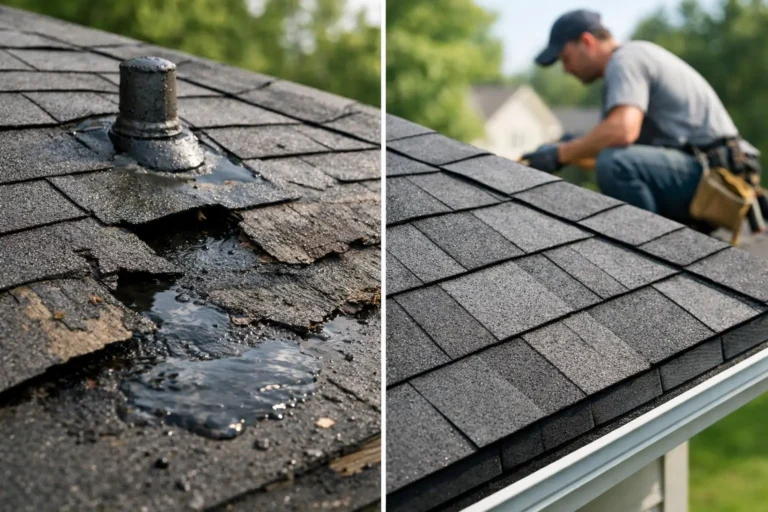
If you are seeing recurring leaks, blistering, cracking, soft spots in the deck, loose edges or water staining on internal ceilings, it is worth getting the roof inspected. One repair might solve a local issue, but repeated failures often mean the covering has reached the end of its useful life.
Ponding water is another sign to take seriously. Some flat roofs are never completely dry after rain, but standing water that lingers for long periods can shorten the life of many systems and point to poor falls or structural sagging.
For older garages and extensions, there is also the question of hidden damage. What looks like a surface problem can sometimes involve rotten timber beneath. That is why a proper site assessment matters more than guesswork from a photograph.
Choosing the right contractor for the job
A flat roof is only as reliable as the workmanship behind it. Look for a contractor with real roofing experience, clear insurance cover and a straightforward approach to explaining what your roof needs. You should know whether the job involves overlaying, full strip-off, new decking, new trims and waste removal before work starts.
It also helps to choose a local team that can respond quickly if the roof is already leaking or if weather damage has made the situation urgent. In this part of Surrey and Middlesex, that fast response can make the difference between a manageable repair and internal damage spreading through ceilings, insulation and plasterwork.
AJW Specialists Property Maintenance deals with roofing work in a practical way – assess the roof properly, recommend the right fix, complete the work to a good trade standard and leave the site clean. That is what most property owners want.
If you are considering GRP fibreglass flat roofing, the best next step is not to chase the lowest number. It is to get the roof checked by someone who will tell you honestly whether GRP is the right fit for your property and do the job properly if it is.