
Ashford Fencing That Lasts and Looks Right
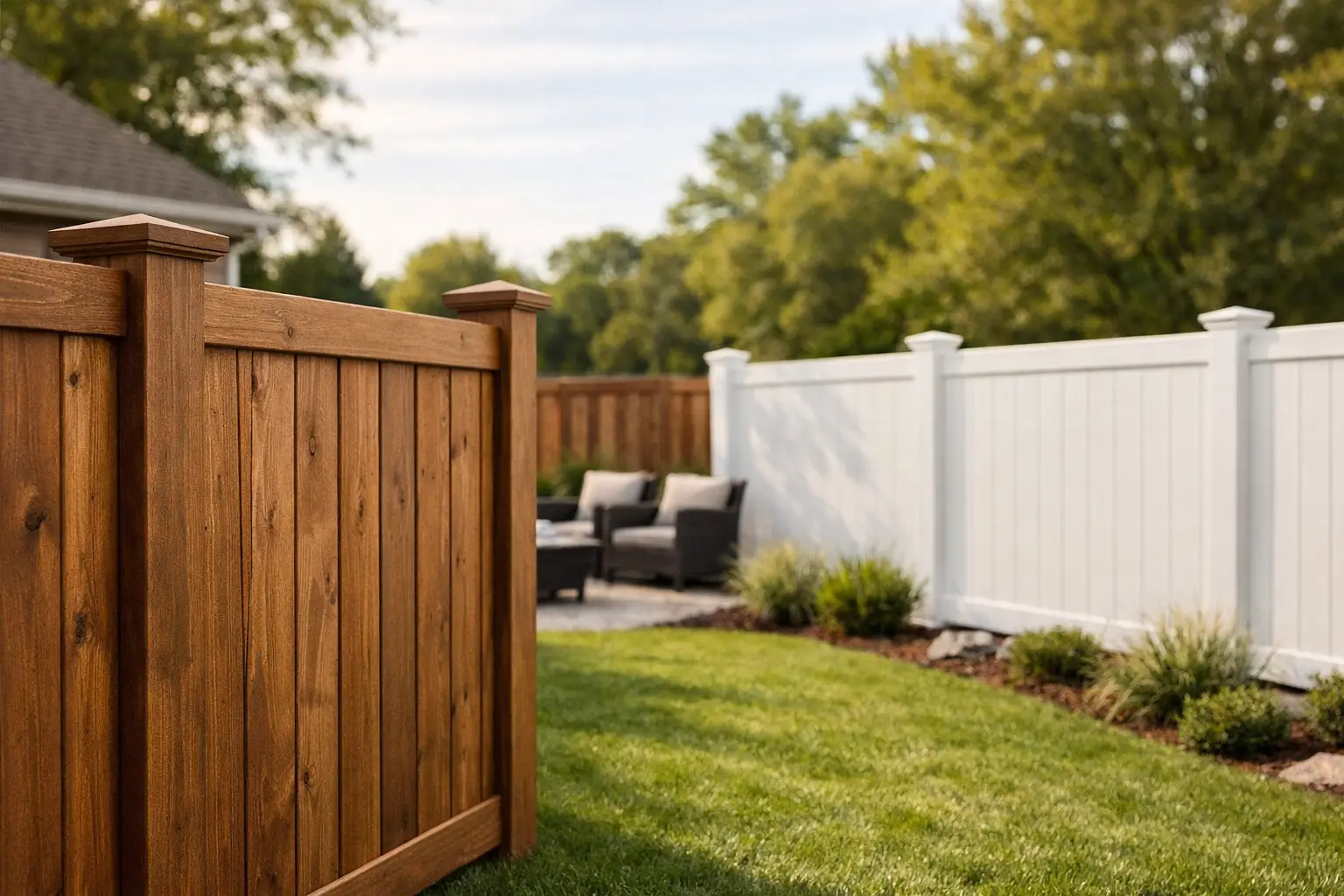
A fence usually becomes urgent the moment it fails. One loose panel in high wind, a leaning post near a public path, or a boundary that no longer gives you privacy can quickly turn into a bigger job. That is why Ashford fencing is not just about appearance. It is about security, clear boundaries, weather resistance and having something in place that will still be doing its job properly a few years from now.
For most property owners, the real question is not whether a new fence would improve the garden or frontage. It is whether the work will be done properly, whether it will last, and whether the price reflects the standard of materials and installation. A good fence should feel solid from day one. It should suit the property, cope with local conditions and not leave you dealing with avoidable repairs after the first spell of bad weather.
What good Ashford fencing should actually deliver
A fence has to do more than fill a boundary line. In practical terms, it should give you privacy where you need it, define the edge of the property clearly and stand up to day-to-day pressure from weather, movement in the ground and normal use.
That sounds straightforward, but this is where quality often shows. A fence can look tidy when first installed and still fail early if the posts are too shallow, the fixings are poor, or the wrong style has been used for the location. Panels exposed to open wind take more strain than those in a sheltered rear garden. Front boundary fencing may need to balance kerb appeal with security. Side access fencing often gets more wear because of bins, bikes and regular foot traffic.
The right job starts with understanding how the fence will be used, not just measuring the length and picking a panel.
Choosing the right type of fencing
Not every fencing style suits every property. That is why a proper quote should cover more than cost per panel. It should take into account the ground, the exposure, the purpose of the fence and how much maintenance you are prepared to do over time.
Closeboard fencing is a common choice for good reason. It is strong, gives solid privacy and generally copes well with British weather when installed correctly. For many gardens, it is the practical option rather than the flashy one, which is often exactly what homeowners and landlords want.
Lap panels can work well where budget matters and the site is relatively sheltered, but they are not always the best answer for areas that take regular wind. Decorative fencing can improve the look of a garden, though it often makes more sense in sections rather than around the entire boundary. Picket fencing suits front gardens where appearance matters more than privacy. Trellis can soften a space and support planting, but it is not a substitute for a secure boundary where strength is the priority.
There is no single best option for every property. It depends on whether you want privacy, security, appearance, low maintenance, or a balance of all four.
Fence posts matter more than most people realise
If the posts are wrong, the rest of the fence will follow. That is often the difference between fencing that stays straight and fencing that starts leaning after a season or two.
Timber posts can work well when the timber is treated and the installation is done properly, but they are still more vulnerable over time, particularly at ground level where moisture sits. Concrete posts cost more and can look less natural, yet they usually offer better long-term strength and can be the smarter choice where durability matters most.
Post depth matters as much as the material. Cutting corners here may reduce the upfront cost, but it increases the chance of movement, especially on exposed boundaries or softer ground. Good installation is not just about setting posts in place. It is about getting spacing, alignment and support right so the whole run works as one solid structure.
Repairs or replacement – when each makes sense
Not every damaged fence needs replacing in full. Sometimes a targeted repair is the sensible option. A couple of broken panels after a storm, one rotten post, or a damaged gate can often be sorted without starting again from scratch.
That said, repair work only makes sense if the rest of the fence is sound. If multiple posts are failing, the panels are near the end of their life and the whole run is visibly shifting, patching it up may just delay the inevitable. In those cases, replacement usually gives better value than repeated call-outs and piecemeal fixes.
This is where straightforward advice matters. A reliable contractor should tell you when a repair is worth doing and when it is money better put towards a full new installation. The cheapest short-term option is not always the cheapest result.
Why installation quality matters in Ashford fencing
A lot of fencing problems are installation problems. Crooked lines, uneven tops, weak fixings and poor post setting all tend to show up later, usually when the weather turns.
Good fencing work starts with proper preparation. Old materials need to be removed safely, the boundary needs to be checked carefully, and the new fence has to be set out accurately before posts go in. If the ground slopes, the fence should be stepped or adjusted neatly, not forced into an awkward line that looks wrong from the start.
Clean working matters as well. Fencing can be disruptive if handled badly, especially where access is tight or old broken timber and concrete need clearing away. A professional job should leave the site tidy and safe, with waste dealt with properly rather than stacked in a corner for the customer to sort out later.
That is one reason many property owners prefer using an established exterior contractor rather than trying to coordinate separate trades and waste removal. It keeps the job simpler and gives you one point of responsibility from start to finish.
Fencing for homeowners, landlords and small commercial sites
Different customers usually need different outcomes from the same service.
For homeowners, privacy and appearance tend to be high on the list. They want fencing that suits the property, keeps the garden secure and does not become a maintenance headache. For landlords, the focus is often durability, cost control and getting the property back into good order quickly between tenancies. For small commercial sites, rear service areas and mixed-use properties, security and practicality usually matter more than decorative finishes.
That is why a one-size-fits-all quote rarely tells the full story. The right recommendation should match the way the property is used. A family garden, a rental boundary and a storage yard do not need exactly the same solution, even if the measurements are similar.
What to ask before agreeing to fencing work
Before going ahead, it is worth checking a few basics. Ask what type of fencing is being supplied, what is included in the removal of the old fence, and whether waste disposal is covered. Check whether the contractor is insured and whether the work is guaranteed.
It also helps to ask how the fence will be installed, especially where posts, footings and difficult ground are concerned. You do not need a technical breakdown, but you should get clear answers. If the explanation is vague, the job may be too.
Price matters, of course, but so does value. A cheap quote can become expensive if the fence needs remedial work early or if disposal, repairs to surrounding areas or finishing details have been left out.
Getting long-term value from your fence
A good fence should not need constant attention, but a small amount of care helps. Keeping vegetation under control, avoiding prolonged contact with standing water and checking for movement after severe weather can all extend the life of the installation.
If you spot a loose panel or early movement in a post, it is worth dealing with it before the problem spreads along the run. Small faults are usually simpler and cheaper to put right than larger failures after months of neglect.
Where fencing is part of wider exterior work, it also helps to look at the whole area. Drainage issues, overgrown hedges, damaged paving and waste build-up can all affect how a fence performs and how the property looks overall. That wider view is often where an experienced team adds real value. AJW Specialists Property Maintenance handles this kind of work with the same practical approach – get there, assess it properly, do the job right and leave the site clean.
If you are planning new fencing, replacing storm-damaged sections or trying to decide whether repair is enough, the best starting point is simple: get honest advice based on the condition of the boundary, not a rushed guess. A fence is one of those jobs where solid workmanship shows itself quietly over time, and that is exactly what you want.