Why Is My Roof Sagging? Causes and Next Steps
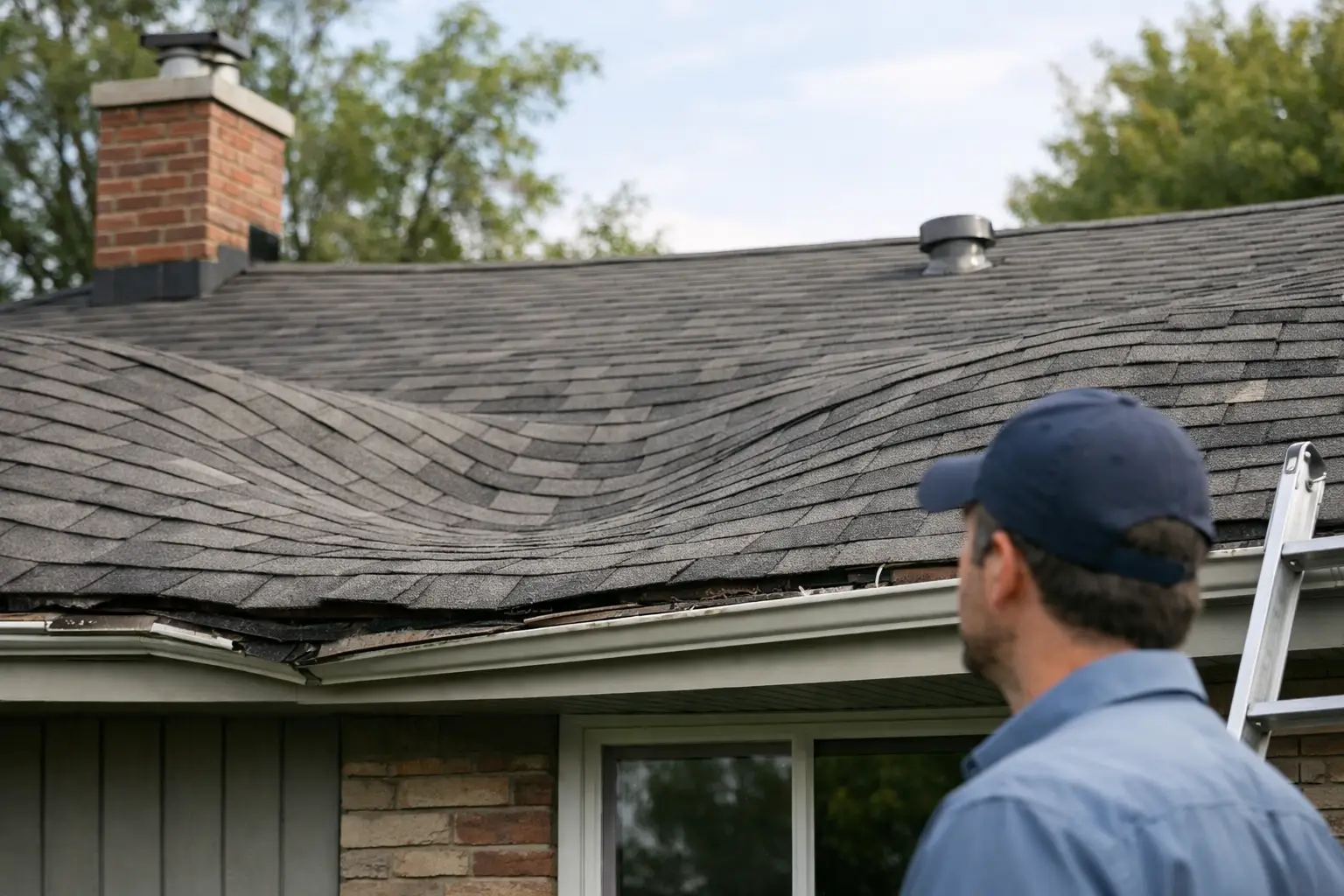
A roofline should look straight and supported. If you are asking, “why is my roof sagging?”, do not dismiss it as an old-house quirk or wait for the next heavy downpour. A dip in the ridge, a bowing section of tiles or a ceiling that appears lower than it used to can point to a problem with the roof structure, water damage or excessive weight. Some issues can be repaired locally. Others need urgent attention before the roof worsens.
What a Sagging Roof Can Look Like
Roof sagging is not always dramatic. You may notice a shallow dip along the ridge, an uneven line at the eaves, tiles sitting out of line or a section of flat roof holding water after rain. Inside the property, warning signs can include a bowed ceiling, new cracks in plaster, doors that begin sticking, or daylight visible in the loft where it should not be.
On older properties, a roof may have settled slightly over decades without being in immediate danger. The concern is change. If the dip is new, getting deeper, appearing after bad weather or accompanied by a leak, it needs a proper inspection. Do not climb onto the roof to investigate. Damaged roof coverings and weakened timbers are not safe underfoot.
Why Is My Roof Sagging? The Most Common Causes
A sagging roof is a symptom rather than a diagnosis. The cause matters because the right repair for a slipped tile roof is very different from the right repair for rotten rafters.
Water damage to roof timbers
Persistent water ingress is one of the most common causes. A cracked tile, failed flashing, damaged felt, blocked gutter or worn flat-roof covering can allow rainwater into the roof space. Over time, timbers stay damp, decay begins and the wood loses the strength needed to carry the roof load.
This is why a small leak should not be treated as a minor inconvenience. Water can travel along rafters and ceilings, meaning the visible damp patch is not always directly below the fault. By the time a roofline visibly dips, there may be more than one area requiring repair.
Old, undersized or damaged rafters
Roof timbers are designed to carry the weight of tiles, battens, felt, insulation and weather loading. In some older homes, the original roof structure may be undersized by modern standards, altered poorly in the past or weakened by timber rot and wood-boring insects.
Cuts made into rafters for previous work can also create a weakness, especially where a loft conversion, pipework or storage platform has been fitted without proper structural consideration. A professional inspection should establish whether the affected timbers can be strengthened or need replacing.
Too much weight on the roof
A pitched roof carries more weight than many people realise. Concrete tiles are heavier than slate, and several layers of replacement coverings can add unnecessary load. Snow is another temporary but significant weight, particularly when it settles on an already weakened structure.
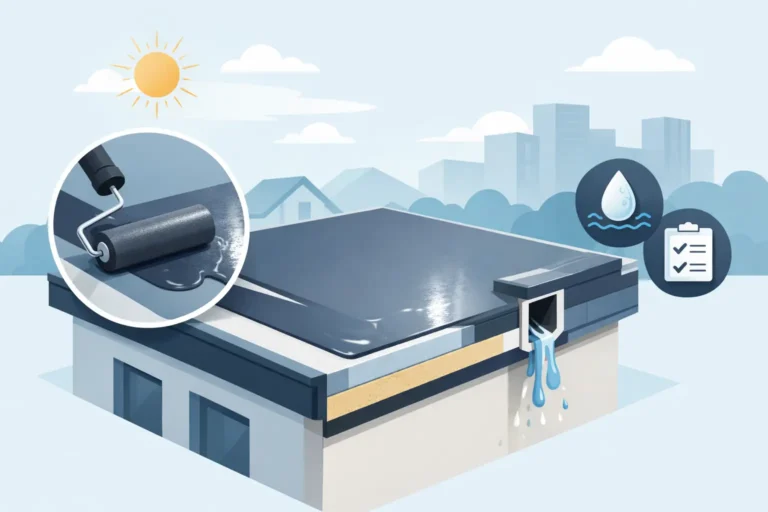
Flat roofs face a related issue called ponding. Standing water adds weight and may indicate that the deck has dropped, the insulation has failed or drainage is inadequate. A flat roof that regularly holds water is unlikely to improve on its own and should be assessed before the deck deteriorates further.
Poor ventilation and condensation
Not all moisture comes through the roof covering. Warm, moist air from the home can enter a cold loft space and condense on the underside of felt, rafters and roof boards. Without suitable ventilation, that repeated moisture can lead to mould, timber decay and corrosion of fixings.
This tends to be a gradual problem, but it can be serious. Adding more insulation without maintaining ventilation can make condensation worse, so the answer is not simply to pack the loft with more material.
Structural movement below the roof
Sometimes the roof is not the original problem. Movement in supporting walls, spread at the eaves, failing wall plates or structural changes inside the property can affect how the roof is supported. Cracks in external brickwork, persistent internal cracking and uneven ceilings may suggest the issue extends beyond the roof covering.
This does not automatically mean major subsidence, but it does mean the repair should not be guessed at. Where there are signs of wider structural movement, an appropriate structural assessment may be required before roofing work begins.
When a Sagging Roof Becomes Urgent
A roof that has been slightly uneven for years may allow time to plan repairs. A roof that is actively moving, leaking heavily or visibly dropping needs a faster response. Keep people out of rooms directly beneath the affected area if the ceiling is bulging, cracking sharply or showing signs of water saturation.
Treat the following as urgent warning signs:
- A noticeable dip that has appeared or worsened quickly
- A ceiling bulge, fresh cracking or water dripping indoors
- Roof timbers that feel soft, split or visibly decayed in the loft
- Tiles, slates or sections of roof covering slipping out of place
- A flat roof holding deep standing water or sagging between supports
- Damage after high winds, impact or a fallen branch
If water is entering, contain it safely with buckets where possible and move furniture, electrics and valuables away from the area. Do not puncture a bulging ceiling unless advised by a professional, as the release of water can be sudden and dangerous. Avoid placing tarpaulins or adding weight to a compromised roof yourself.
What a Proper Inspection Should Cover
A good roof inspection is more than a quick look from the ground. The roof covering, ridge, valleys, leadwork, gutters and drainage should be checked, along with accessible areas of the loft. The aim is to identify both the visible damage and the reason it developed.
Inside the roof space, a contractor should look for staining, mould, wet insulation, timber rot, split rafters, movement at joints and signs of condensation. Outside, they should assess the condition and alignment of tiles or slates, flashing, mortar, fascias and rainwater goods. On a flat roof, the deck, falls, outlet points and condition of the covering are all relevant.
The recommended work should match the findings. Replacing a few damaged tiles may stop a new leak, but it will not correct rotten rafters. Equally, replacing an entire roof when only a local repair and timber strengthening are needed is unnecessary expense. Clear explanations and a written quote help you understand what is being repaired and why.
Repair Options Depend on the Cause
Minor sagging caused by a localised leak may be resolved by replacing damaged tiles, renewing flashing, repairing felt and replacing affected timber. Where rafters have weakened, they may be reinforced by sistering new structural timber alongside sound sections, or replaced where the damage is extensive.
A flat roof with a dip may need local deck repairs, improved drainage or a full replacement if the covering and underlying structure have both failed. For a roof carrying excessive loads, removing unsuitable layers or changing to a lighter covering may be considered, but only after checking what the existing structure can support.
If structural movement is suspected, roofing repairs may need to be coordinated with brickwork or structural work. Rushing to make the roofline look straight without dealing with the support beneath can lead to repeat problems later.
Can You Prevent Further Sagging?
Regular maintenance gives you the best chance of catching issues before the roof structure is affected. Keep gutters and gullies clear, especially after autumn leaf fall and storms. Check from ground level for slipped tiles, loose ridge mortar, moss build-up, overflowing gutters and changes to the roofline.
Inside, inspect the loft a few times a year with a torch. Look for new staining, damp smells, mould, wet insulation or daylight around roof details. Do not use the loft for heavy storage unless it has been properly boarded and designed to carry the load. Storing boxes directly across ceiling joists can cause ceiling sagging, which is different from roof sagging but still needs attention.
For homeowners and landlords in Ashford, Staines and surrounding areas, AJW Specialists Property Maintenance can inspect roof damage, explain the condition in plain terms and carry out the necessary repair work. Fast action is usually cheaper and less disruptive than waiting for a minor dip to become a major structural repair.
A sagging roof is not a job to put off until it leaks through the ceiling. Arrange an inspection while the problem is still manageable, get clear advice on the cause, and make sure the repair protects both the roof covering and the structure beneath it.