How to Dispose Renovation Waste Properly

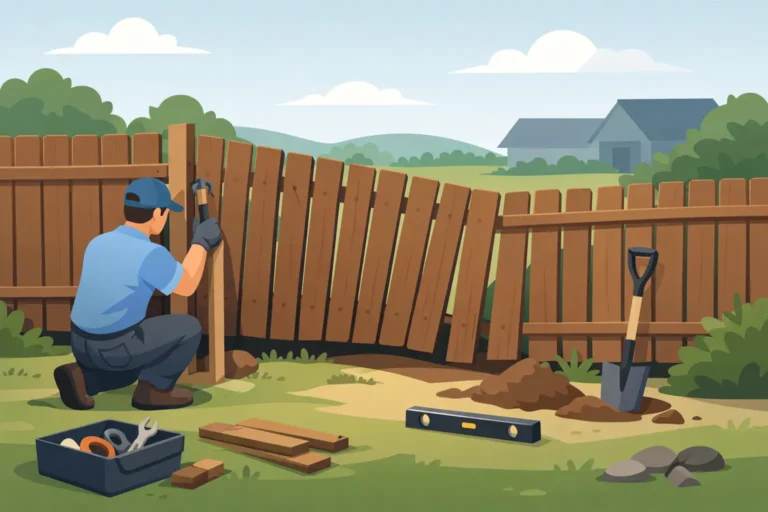
You only need one small renovation to realise how quickly waste builds up. A bathroom refit, fence replacement or garden wall repair can leave you with broken tiles, timber, old plaster, packaging and rubble stacked where you need to work. If you are wondering how to dispose renovation waste without making a mess of the job, the main thing is to deal with it early, sort it properly and make sure it goes through the right channels.
For homeowners and landlords, this is not just about tidiness. Poor waste handling can slow down the job, create safety risks on site and, in some cases, leave you exposed if the rubbish is dumped illegally. That is why it pays to understand what can go in a skip, what needs separate disposal and when it is better to bring in a licensed team to clear it properly.
How to dispose renovation waste without problems
The simplest way to approach renovation waste is to split it by type before it turns into one mixed pile. Once plasterboard is mixed in with timber, insulation, broken bricks and old fittings, disposal becomes more awkward and often more expensive. Keeping materials separate from the start gives you more options and makes collections quicker.
Most renovation waste falls into a few broad groups. Inert waste includes bricks, concrete, tiles, soil and hardcore. General building waste covers timber, old units, plastics, packaging, carpet and mixed debris. Then there are materials that need extra care, such as plasterboard, paint, solvents, electrical items, fluorescent tubes and anything that may contain hazardous substances.
This is where many people get caught out. They assume all building waste can be taken to the tip or loaded into one skip. In reality, it depends on the material, the quantity and the local disposal rules. Some household waste sites restrict trade-type waste, even if it comes from your own home renovation. Others will accept certain materials but not plasterboard, bonded asbestos, liquid waste or large amounts of rubble.
Start with the type and amount of waste
Before booking anything, look at what the project is producing. A small decorating job may only need a few runs to a household recycling centre if allowed. A kitchen rip-out, roof repair or landscaping project usually creates enough volume to justify a skip or a waste clearance service.
Volume matters, but weight matters too. Rubble, tiles and concrete are heavy. A skip that looks half full can already be at its weight limit. On the other hand, timber, cardboard and plastic take up space quickly but weigh far less. If you choose the wrong disposal method, you either overpay for capacity you do not need or end up with waste left on site.
For mixed renovation jobs, it often makes sense to plan waste removal as part of the works rather than as an afterthought. That keeps access clear, reduces trip hazards and stops materials getting waterlogged or damaged if the weather turns.
Common renovation materials and how they are handled
Bricks, concrete, paving slabs and tiles are usually straightforward as inert waste, provided they are not contaminated. Timber can often be recycled or taken as general builders’ waste, depending on condition and treatment. Metals are normally easy to separate and recover. Cardboard, plastic wrapping and clean packaging should also be kept apart where possible.
Plasterboard is one of the most common problem materials. It should not simply be mixed in with general rubble because it often requires separate disposal. The same goes for paint tins with residue, sealants, adhesives, chemicals and some insulation products. Old electrical fittings, light units and appliances may also need dedicated handling.
If the property is older, extra care is needed. Materials such as textured coatings, insulation boards, cement sheeting or pipe lagging may require specialist checks if there is any concern about asbestos. If you are unsure, do not break it up and do not put it in a general load.
Skip hire or waste clearance?
When deciding how to dispose renovation waste, most people are choosing between skip hire and a man-and-van style waste clearance carried out by a licensed contractor. Neither is automatically better. It depends on the job, the access and how hands-on you want to be.
A skip works well if you have ongoing waste over several days and enough space for it. It gives you a central place to load as you go. That is useful for extensions, strip-outs, landscaping and roof works where waste is generated steadily. But skips come with limits. You may need a permit if it sits on the road, certain items are excluded, and loading heavy material needs to be done safely.
Waste clearance is often the better option when access is tight, the waste is already piled up, or you want the material taken away quickly without having a skip sitting outside. It can also be more practical for mixed loads where sorting and lifting are better handled by an experienced team. For many homeowners, that convenience matters just as much as price.
In built-up parts of Surrey and Middlesex, access can be the deciding factor. Narrow drives, permit restrictions and limited roadside space can make skip hire awkward. In those cases, a clearance service that loads and removes the waste in one visit often causes less disruption.
The legal side matters more than people think
One of the biggest mistakes property owners make is handing waste to the cheapest person with a van and assuming the job is done. If that waste is fly-tipped, questions can come back to you. That is why you should always use a registered waste carrier for renovation waste removal.
A proper contractor should be able to confirm that they are licensed to carry waste and dispose of it legally. That protects you from the risk of improper dumping and gives you confidence that the waste is being handled the right way. It also matters for landlords and commercial occupiers, where there is an added duty to keep records and manage waste responsibly.
This is not just paperwork for the sake of it. Illegal disposal creates real costs for property owners and local areas. A licensed service may not always be the very cheapest headline price, but it is usually the safer and more accountable option.
Practical ways to keep disposal costs under control
Good waste management does not mean overcomplicating the job. In most cases, a few practical decisions make a big difference.
Keep clean rubble separate from mixed rubbish where possible. Break down bulky units and packaging so they take up less room. Do not fill containers with air by throwing loose, awkward items in without thinking. If materials can be removed in stages, do that rather than letting one giant pile build up at the end.
It also helps to avoid contamination. A stack of clean hardcore is easier and cheaper to process than a pile mixed with timber, plastic sacks and food waste. The more mixed the load, the fewer disposal options you tend to have.
There is also a trade-off between doing it yourself and paying for speed. If you have the time, transport and a site that accepts what you are carrying, a small amount of waste may be manageable. But once you factor in loading, unloading, fuel, waiting times and the risk of being turned away with the wrong material, professional clearance can work out better value than it first appears.
How to dispose renovation waste safely on site
Safety often gets overlooked when people focus only on getting the rubbish gone. Sharp timber, broken glass, nails, ceramic shards and dust all create risks, especially if the property is still occupied.
Keep waste in a defined area and avoid blocking exits, paths or access routes. Bag dusty or loose material where practical. Stack heavier items low and stable rather than in tall uneven heaps. If children, tenants or visitors are around the property, waste should not be left scattered or uncovered.
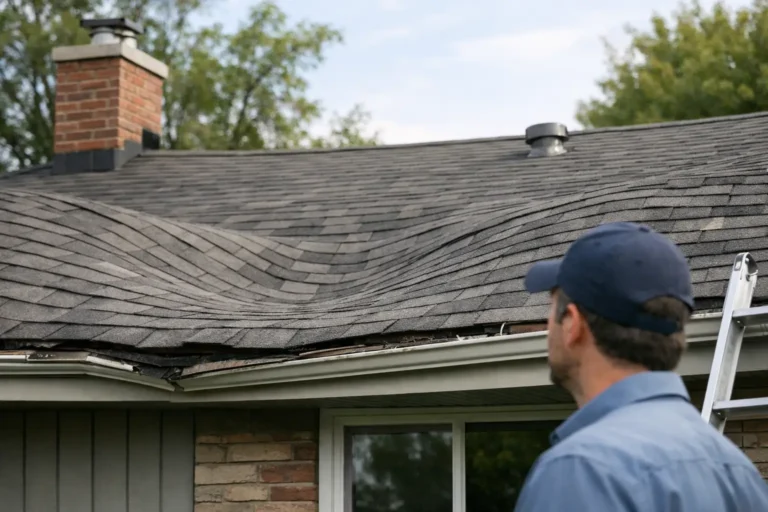
For external works such as roofing, fencing, brickwork or garden clearances, weather can make matters worse. Wet plasterboard, soggy insulation and slippery rubble are harder to move and more unpleasant to deal with. Fast removal keeps the site cleaner and safer.
When it makes sense to call in a professional
If the waste includes heavy rubble, large volumes, awkward access, possible hazardous material or anything that needs lifting from a garden, side passage or rear extension, it is usually worth getting proper help. The same applies if you are managing a rental property between tenancies or trying to keep a commercial site operational during works.
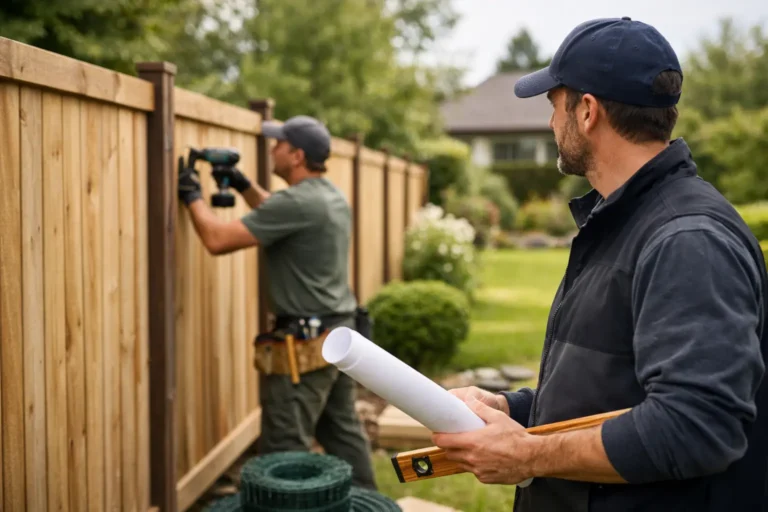
A dependable local contractor can often do more than just remove the rubbish. If the same team is already handling roofing, exterior repairs, fencing, brickwork or landscaping, waste can be cleared as the job progresses instead of becoming a separate problem at the end. For many customers, that saves time and cuts down on the usual back-and-forth between trades.
AJW Specialists Property Maintenance works this way across Ashford, Staines and surrounding areas, combining trade work with licensed waste clearance so customers are not left sorting the mess after the repair is done.
The right approach is usually the straightforward one. Know what waste you have, keep it sorted where you can, and do not take chances with disposal. A clean site keeps the project moving and saves you hassle later.