Emergency Roof Leak Repair Done Fast

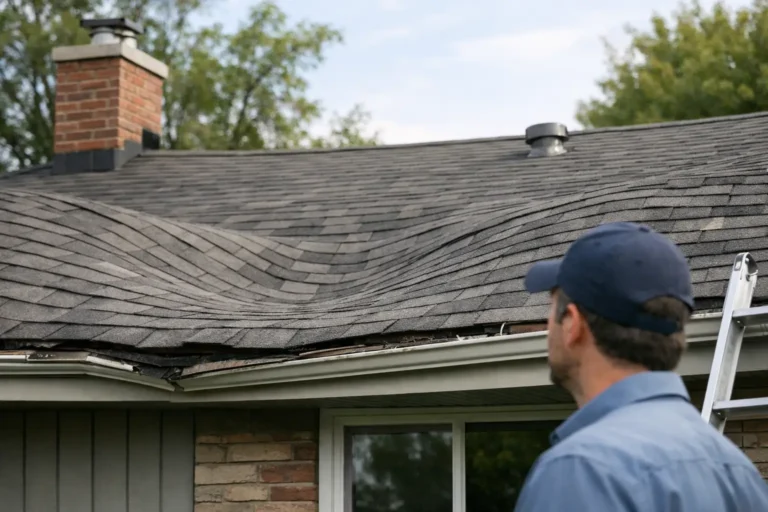
A roof leak rarely starts at a convenient time. It usually shows up in heavy rain, late at night, or just as you notice a brown stain spreading across the ceiling. When that happens, emergency roof leak repair is not about cosmetics – it is about limiting damage quickly, keeping the property safe, and finding the real cause before a small issue turns into a much bigger one.
The first thing to know is this: water rarely drips straight down from the point where it enters the roof. It can travel along felt, timbers, insulation and plasterboard before it appears indoors. That is why a leak over your bedroom ceiling may actually be coming from a damaged ridge, cracked flashing, loose tile or failing flat roof detail somewhere else entirely. Acting fast matters, but guessing rarely helps.
What to do first when a roof starts leaking
If water is coming in, contain it before anything else. Move furniture, electrical items and soft furnishings away from the affected area if it is safe to do so. Put down towels or sheeting and place a bucket or container under the drip. If the ceiling is bulging with trapped water, that can be a sign of pooling above the plasterboard. In that case, do not ignore it. A waterlogged ceiling can give way.
If the leak is close to electrics, lights or sockets, switch off the power to that area if you can do so safely. Do not start climbing into the loft with a torch in wet conditions unless you are confident it is safe. Slippery timbers, hidden wiring and saturated insulation can turn a roof leak into an accident very quickly.
What you should not do is get on the roof during bad weather. Many emergency leaks happen during wind and rain, when ladders and roof surfaces are at their most dangerous. A temporary repair needs to be carried out properly, not rushed. Safety comes first.
Why emergency roof leak repair needs the cause, not just the symptom
A lot of leaks look simple from inside the property. A stain on the ceiling can make it seem as though one tile has slipped and that is the end of it. Sometimes it is that straightforward, but often it is not.
Leaks can come from cracked lead flashing around a chimney, worn mortar on ridge tiles, a punctured flat roof membrane, blocked valleys, failed seals around a Velux window, damaged soffits, loose fascias, or old roofing felt that has finally reached the end of its life. Wind can lift edges. Moss can trap moisture. Poor previous repairs can redirect water rather than stop it.
That is why proper emergency roof leak repair starts with tracing the entry point and checking the surrounding roof area, not just patching the visible drip. A temporary fix may be the right first step in severe weather, but it should lead into a sound permanent repair once conditions allow.
Common causes of urgent roof leaks
In Surrey and Middlesex, the weather puts roofs under constant pressure. Heavy rain, gusting winds, freezing temperatures and long periods of damp all take their toll. Older roofs are especially vulnerable, but newer roofs can also leak if details have been installed badly.
Pitched roofs often fail where tiles or slates have cracked, slipped or blown off. Flashings around chimneys, dormers and abutments are another regular weak point. On flat roofs, standing water, split felt joints, blistering and worn edges are common causes. Gutters and downpipes should not be overlooked either. If they are blocked or broken, water can back up and force its way into places it should never reach.
Sometimes the issue is not the main roof covering at all. A leak near a roof window, extension junction or parapet wall can point to a local detail failure rather than general roof age. This is where experience matters. The right repair depends on what has failed, how badly it has failed, and whether there is hidden damage underneath.
Temporary repair or full repair – what is realistic?
It depends on the weather, access, and the condition of the roof. In a genuine emergency, the first aim is to stop further water ingress. That may mean re-securing loose materials, applying a temporary waterproof covering, sealing a specific vulnerable point, or carrying out a fast targeted repair to make the property safe.
A temporary repair is sometimes the most sensible option during storms or very wet conditions. It protects the inside of the building and buys time for a proper follow-up visit. There is no benefit in pretending every emergency can be solved in one trip if the roof needs more extensive work once it is dry and fully inspected.
On the other hand, plenty of leaks can be fixed there and then. A small area of damaged felt, a few displaced tiles, failed flashing on a straightforward section, or a leaking roof verge can often be repaired quickly by a capable team with the right materials and access equipment.
Signs the leak may be worse than it looks
Some roof leaks are obvious. Others have been quietly causing damage for weeks or months before they finally show inside. If you have damp loft insulation, stained rafters, peeling paint near the ceiling line, mould growth, recurring patches after previous repairs, or a musty smell in upper rooms, there may be more going on than one isolated ingress point.
Landlords and commercial occupiers should be especially careful here. A leak that affects tenants, stock, electrics or ceiling finishes can quickly become more expensive than the roof repair itself. Fast attendance matters, but so does making sure the repair actually resolves the issue.
What a professional emergency roof leak repair service should offer
When you call for urgent help, you need clarity. Will somebody attend quickly? Are they insured? Can they carry out both temporary and permanent repairs? Will the site be left safe and tidy? These are basic questions, but they matter when water is entering your property.
A dependable local contractor should assess the immediate risk, identify the likely source, explain what can be done straight away, and be honest if further work is needed once the roof is properly opened up or the weather improves. That practical approach is usually what saves customers money in the long run.
This is also where a broader property maintenance background helps. A roof leak does not always stop at the roof. You may need damaged plaster removed, wet debris cleared, soffits or fascias repaired, or waste disposed of properly once the job is done. Using one experienced team can make the whole process far less stressful.
Emergency roof leak repair for flat roofs
Flat roofs deserve a separate mention because they fail differently from tiled roofs. Water does not run off as quickly, so any weakness in the covering is exposed for longer. Felt roofs can crack at joints, edges and upstands. Ponding water can speed up deterioration. Old patch repairs may also fail where different materials meet.
The right fix depends on the age and condition of the roof. A localised split may be repairable. If the membrane is generally worn, patching one point may only delay further leaks. In those cases, honest advice matters more than a cheap quick fix that does not last.
Choosing a local team when time matters
In an emergency, most people are not looking for a long sales pitch. They want a fast response, clear advice and a fair quote. A local contractor who knows the housing stock and common roofing problems in Ashford, Staines, Feltham, Sunbury and nearby areas can usually diagnose issues faster than somebody working outside the area.
AJW Specialists Property Maintenance handles urgent roofing callouts with a practical, trade-led approach. That means identifying the cause, carrying out safe repair work, and leaving the site clean rather than treating the leak as a one-off patch and disappearing.
How to reduce the chance of another emergency
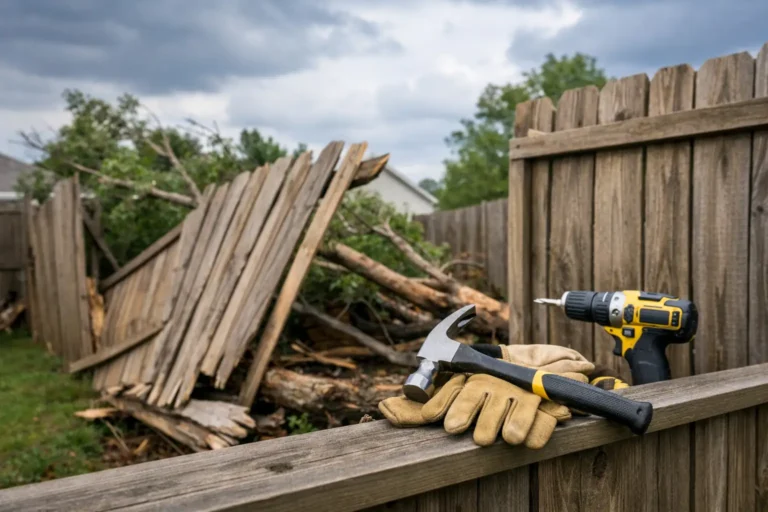
Not every leak can be predicted, especially after storm damage. Even so, regular checks make a difference. Loose tiles, failing flashings, blocked gutters and ageing flat roof coverings usually show warning signs before they become an emergency. Sorting those issues early is always easier than dealing with soaked ceilings and damaged interiors later.
If your roof has leaked once, it is worth having the surrounding area checked properly. Water finds the weakest point, but that weak point is not always the only one.
When a leak starts, speed matters. So does getting the repair done properly, by people who know what they are looking at and are prepared to put it right. A quick call at the right time can be the difference between a manageable repair and a much larger job a week later.