Slipped Roof Tiles After Heavy Wind? Act Fast

A windy night often leaves the same tell-tale signs behind – a tile in the gutter, bits of mortar on the drive, or a patch on the roof that suddenly looks uneven from the garden. If you have slipped roof tiles after heavy wind, it is not something to leave and watch for a few weeks. One loose tile can expose the felt, battens and roof space to rain, and that is when a simple repair starts turning into water damage indoors.
The good news is that slipped tiles do not always mean the whole roof has failed. In many cases, the problem is localised and can be put right quickly if it is dealt with early. The key is knowing what has happened, what not to do, and when a fast repair is the safer and cheaper option.
Why slipped roof tiles after heavy wind happen
Wind does not need to rip half a roof off to cause damage. More often, it gets under the edge of a tile, lifts it slightly, and weakens the fixing point. Once one tile shifts, the tiles around it can lose support and start moving as well.
Older roofs are more vulnerable because nails corrode, battens deteriorate and previous patch repairs may already be under strain. On some properties, the issue is not just the wind itself but the condition of the roof before the bad weather arrived. A tile that was already cracked or slightly loose may finally slip during a strong gust.
Ridge tiles and verge edges can also play a part. If mortar bedding is failing, movement at the top or side of the roof can put stress further down the slope. On pitched roofs, that movement can show up as slipped or displaced tiles in one area, even though the root cause started elsewhere.
It also depends on the type of roof covering. Concrete interlocking tiles, clay tiles and slate all behave differently in bad weather. Some systems are more forgiving than others, but none are immune if fixings are tired or the roof has been carrying defects for years.
What slipped tiles can lead to if ignored
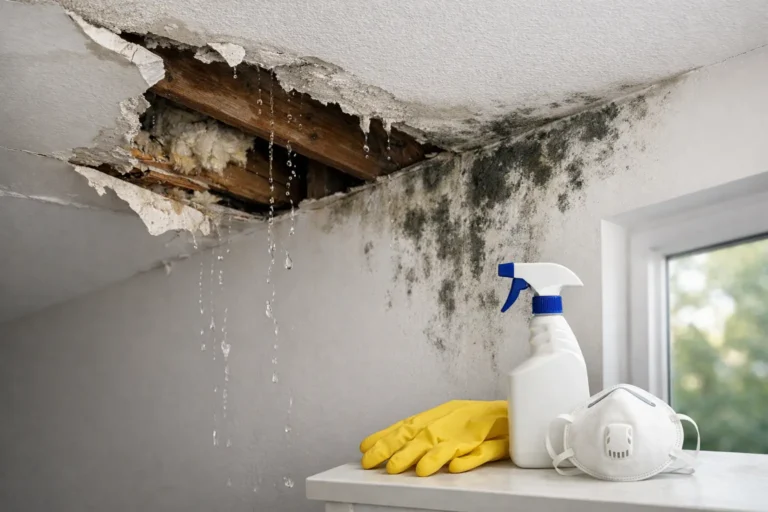
A slipped tile is rarely just a cosmetic problem. The main risk is water ingress. Even if the underfelt catches some rain at first, it is not designed to act as the permanent outer defence. Once water starts tracking beneath the tiles, it can affect battens, insulation, ceilings and timberwork.
The second risk is falling material. A tile that has slipped can continue moving and drop into the guttering, onto a porch roof or onto the ground below. That matters more than many homeowners realise, especially over entrances, side paths, conservatories and parked cars.
There is also the issue of wind getting a better grip next time. One displaced tile creates an opening. That opening can make it easier for the next spell of bad weather to lift adjoining tiles, which is why a small roof repair often becomes a larger one after the next storm.
First steps to take after spotting roof tile movement
Start from ground level. Have a proper look from the garden, driveway or pavement where safe to do so. Binoculars can help, but do not climb onto the roof yourself. Roof surfaces become dangerous very quickly, especially after wind and rain, and walking on damaged tiles can make matters worse.
If you can safely access the loft, check for fresh signs of water coming in. Look for damp patches, staining, daylight through the roof covering or wet insulation. That does not replace an external inspection, but it can tell you whether the problem is already affecting the inside of the property.
It is also worth looking around the ground for debris. Broken tile pieces, mortar fragments and dislodged ridge material can all help show what part of the roof has been hit. If anything has fallen, move it out of walkways so nobody trips over it, but avoid standing directly beneath the damaged section.
Photographs are useful. Take clear pictures from ground level and inside the loft if accessible. They can help track any change in the damage and are useful if you need to discuss the repair or speak to your insurer.
When a slipped tile is an emergency
Not every slipped tile calls for a same-day emergency response, but some do. If water is actively entering the property, if tiles are hanging loose, or if material is at risk of falling onto a public path or entrance, it should be treated as urgent.
The same applies to commercial premises and rented properties where public access is involved. A small visible defect can create a bigger liability issue if it is left exposed. Fast action is not just about protecting the building – it is about keeping people safe.
Where the damage is severe, a temporary make-safe repair may be the right first step. That might mean securing loose sections or fitting a short-term weatherproof cover until full repair work can be completed properly. A decent contractor will tell you plainly whether the roof needs a quick repair, a temporary fix, or more extensive remedial work.
How roofers repair slipped roof tiles after heavy wind
The repair depends on why the tiles slipped in the first place. If one or two tiles have moved but the battens and fixings beneath are sound, the job may simply involve refitting or replacing the affected tiles and securing them correctly.
If the problem has come from rotten battens, failed nails or damaged underlay, the tiles will need to be lifted in the affected area so the roof structure beneath can be repaired before the covering goes back on. This is the part many people do not see from ground level. The visible slipped tile is sometimes only the symptom.
On older roofs, it is common to find more than one weak point once repairs begin. That does not always mean a full re-roof is needed, but it can mean the job grows slightly beyond the original expectation. A trustworthy roofer should explain that clearly, show what has failed, and keep the repair focused on what is genuinely necessary.
Matching replacement tiles can also matter. If your roof is older, the exact profile or colour may not be available off the shelf. Function comes first, but a good repair should also sit neatly with the existing roof wherever possible.
Should you claim on insurance?
It depends on the extent of the damage and your excess. For one or two slipped tiles, the repair cost may be lower than the excess, making a claim pointless. For wider storm damage involving internal leaks, damaged ceilings or multiple roof slopes, insurance may be worth exploring.
What matters is the cause. Sudden storm damage is treated differently from long-term wear and tear. If the roof was already in poor condition, insurers may argue that deterioration was the main issue rather than the wind itself. That is another reason to get the roof checked and repaired promptly instead of leaving minor defects to worsen.
Good photos, a clear inspection report and an honest description of the timeline all help. If you are unsure, get the roof assessed first and then decide whether a claim is practical.
How to reduce the risk next time
You cannot stop strong winds, but you can make your roof less vulnerable. Periodic roof inspections help pick up loose tiles, failing mortar, slipped flashings and weak ridge lines before bad weather exploits them.
Gutters also matter more than people think. Overflowing or blocked gutters can keep roof edges wet, which speeds up deterioration in fascias, soffits and the lower roof line. Trees close to the property can add to the problem by dropping debris and allowing branches to strike the roof in gusty conditions.
If your property has already had slipped roof tiles after heavy wind once, it is worth asking whether the area repaired was the only issue or just the first visible one. A targeted repair is often the correct solution, but roofs of a certain age sometimes benefit from a broader check so hidden weak spots are not missed.
For homeowners and landlords, the sensible approach is simple: do not wait for a stain on the bedroom ceiling to confirm there is a roofing problem. By that point, the repair bill usually includes more than just the tiles.
Choosing the right contractor for the repair
This is not a job for guesswork or a quick patch from someone passing by. You want a properly insured roofer who can assess the roof safely, explain the cause, and carry out a repair that deals with the issue beneath the surface as well as the tile you can see.
Fast response matters after a storm, but so does accountability. Ask what is being repaired, whether damaged materials will be removed from site, and if the work is guaranteed. If the contractor handles both the repair and any related clearance properly, it saves time and avoids extra hassle.
For properties across Ashford, Staines and the surrounding areas, AJW Specialists Property Maintenance is often called when wind damage needs sorting quickly and properly. That kind of local, trade-led response can make all the difference when the weather has already exposed a weak point.
If your roof looks uneven after strong winds, trust that instinct and get it checked. A slipped tile rarely repairs itself, and catching it early is usually the simplest way to keep a small roofing problem from spreading through the rest of the property.