
Roof Valley Repair: Stop Leaks Early
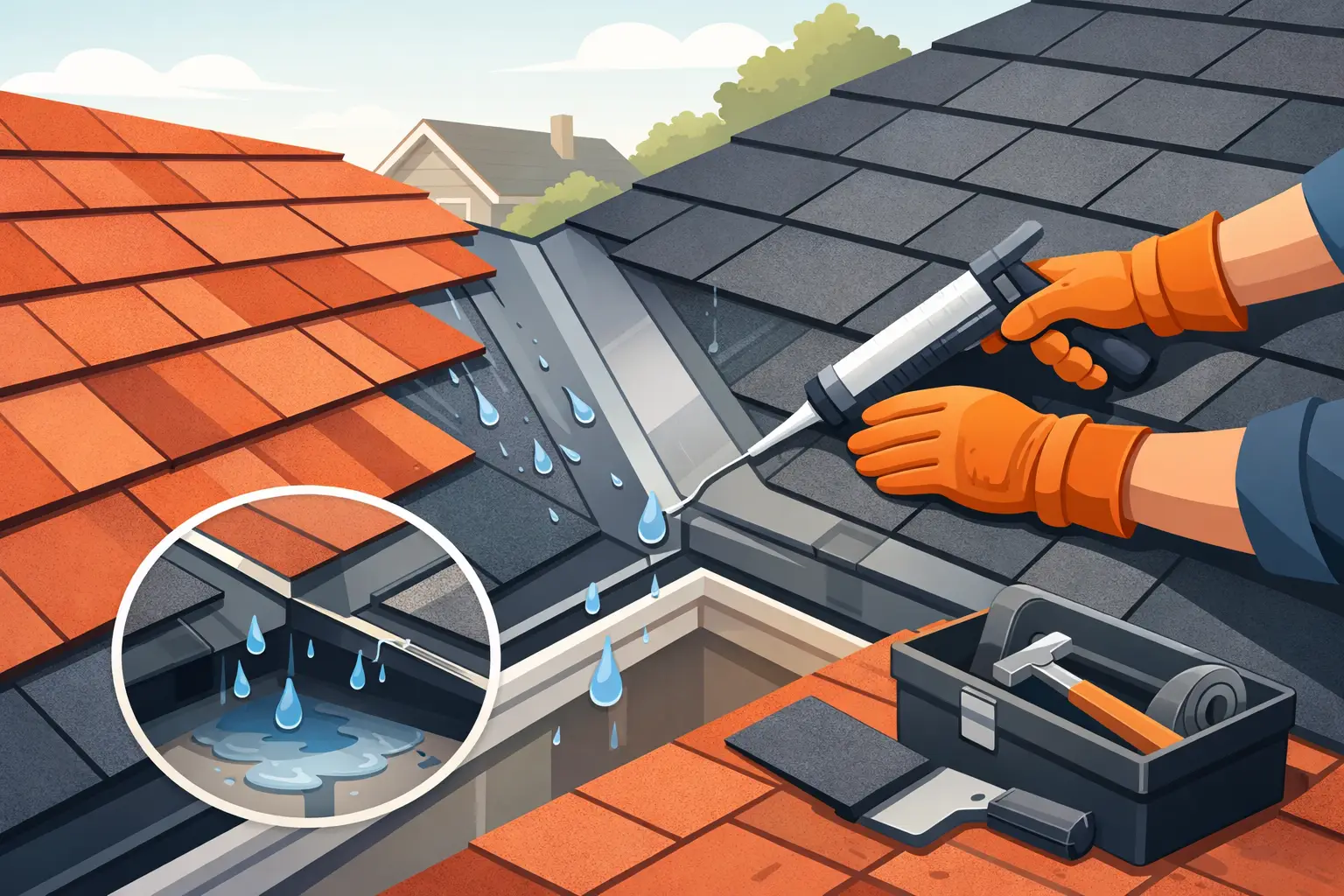
A leak that starts in a roof valley rarely stays small for long. When rainwater is being channelled down one of the hardest-working parts of your roof, even a minor fault can lead to damp patches, rotten battens, stained ceilings and costly internal damage. That is why roof valley repair is one of those jobs worth dealing with early, before a simple fix turns into a larger roofing problem.
Why roof valleys fail so often
A roof valley is the internal angle where two roof slopes meet. It is designed to collect and direct a large volume of rainwater into the guttering, which means it takes more water run-off than many other parts of the roof. In heavy rain, that flow increases quickly. If the valley lining has cracked, slipped or corroded, water can work its way underneath surrounding tiles and into the roof structure.
This part of the roof also catches more debris than open roof slopes. Moss, leaves and general build-up can slow the flow of water and create standing moisture. Over time, that puts extra strain on the valley and the edges of nearby tiles. On older roofs, you may also find past patch repairs, ageing mortar or worn underlay adding to the problem.
Not every leaking roof needs a full overhaul. Sometimes the issue is isolated to the valley itself. The key is identifying the real cause before water spreads further across the roof or into the loft.
Signs you may need roof valley repair
The clearest sign is water getting in during or after rain, but valley problems often show themselves in more subtle ways first. You might notice a damp patch on an upstairs ceiling, staining along the top of a wall, or water marks in the loft near where two roof slopes join.
From outside, there may be slipped tiles along the valley edge, visible rust on older metal valley trays, cracked bedding, loose leadwork or moss and debris blocking the channel. In some cases, the roof only leaks during heavy rainfall or when wind is driving rain in a certain direction. That can make the problem seem inconsistent, but it does not mean it is minor.
If you own a rental property or manage a small commercial unit, these faults are easy to miss until a tenant reports water inside. By then, plaster, insulation and decoration may already be affected. Fast action usually means a smaller repair bill and less disruption.
Common causes of valley leaks
There is no single reason a roof valley starts leaking. On some properties, age is the main factor. Metal valleys can corrode over time, especially on older roofs where protective coatings have worn away. On others, the issue comes from movement in surrounding tiles, poor previous workmanship or blocked drainage.
One common cause is debris build-up. When leaves, twigs and moss collect in the valley, rainwater cannot run away properly. Water then sits where it should be moving freely, increasing the risk of seepage under tiles or flashing.
Another frequent problem is cracked or slipped tiles along the valley edge. A valley depends on nearby tiles being secure and correctly aligned. If they move, the water path changes. Instead of staying in the channel, rain can be pushed beneath the roof covering.
Older valley installations can also fail because the materials were never meant to last forever. Mortar can break down, lead can split, and underfelt can perish. In some cases, the original valley detail may not have been fitted well in the first place. That is why a proper inspection matters. A patch over the visible gap is not always enough if the structure underneath has already started to deteriorate.
What a proper roof valley repair involves
A good repair starts with access and a close inspection, not guesswork. The valley needs to be checked along its full length, including the surrounding tiles, underlay, battens and the point where water discharges into the gutter. If the leak has been ongoing, the roofer should also look for signs of timber decay or trapped moisture beneath the surface.
The right repair depends on what is actually wrong. If debris is causing back-up, a thorough clear-out and minor localised works may solve it. If tiles have slipped or cracked, they may need replacing and re-seating correctly along the valley edge. If the valley lining itself has failed, that section may need to be stripped back and renewed.
On older roofs, the most reliable option is sometimes to replace the valley lining rather than keep patching a worn system. That might involve removing tiles on both sides, fitting a new valley tray or lead detail, renewing affected battens or felt, and then reinstating the tiles properly. It is more involved than a quick sealant job, but it usually gives a far better result.
That is the trade-off homeowners often face. A short-term patch may cost less today, but if the underlying valley has reached the end of its life, repeated repairs can end up costing more than doing the job properly once.
When a small repair is enough and when it is not
This is where experience matters. Not every leaking valley needs a full replacement, and not every patch repair is a waste of money. It depends on the age of the roof, the condition of the valley material, how long the leak has been present and whether water has already damaged the surrounding structure.
If the problem is localised – for example a few slipped tiles, a small split in lead, or debris forcing water sideways – then a targeted repair may be all that is needed. If the valley is badly corroded, sagging, repeatedly leaking or showing faults across a long section, replacement is usually the safer route.
The same applies if previous repair attempts have already failed. Multiple layers of mastic or surface patching often hide the real issue rather than solve it. A dependable roofing contractor will tell you plainly whether the valley can be repaired sensibly or whether replacement is the better investment.
Why delays make valley problems worse
A roof valley handles a lot of water in every downpour, so once it starts failing, damage can spread faster than many people expect. Water may track along timbers, soak insulation, stain ceilings and weaken plasterboard before the source is obvious from inside the property.
Left long enough, a leaking valley can also affect fascias, soffits and guttering where water is spilling into the wrong areas. If timber battens or rafters stay damp, rot becomes a real risk. On occupied properties, there is also the practical headache of mould, damaged decoration and disruption for tenants or family members.
For landlords and business owners, there is another issue – reactive costs. Emergency call-outs, internal making-good and tenant complaints all become more likely when roof repairs are left waiting. Early action is nearly always cheaper and easier to manage.
Choosing the right contractor for roof valley repair
Valley work is not a place for guesswork or rushed patching. You want a contractor who understands pitched roofing properly, can identify whether the issue is with the valley itself or the surrounding roof covering, and can carry out the repair safely and cleanly.
Look for a team with solid hands-on roofing experience, full insurance and a clear explanation of what needs doing. You should also expect sensible advice about whether repair or replacement is the better option. If waste materials are being removed from site, that should be handled properly too.
For local property owners in Surrey and Middlesex, speed matters as much as workmanship, especially when rain is getting in. AJW Specialists Property Maintenance deals with urgent roofing issues as well as planned external works, which is often useful when a leaking roof valley has also affected guttering, brickwork or surrounding exterior areas.
What to do if you suspect a valley leak
If you notice signs of water ingress, the best first step is to arrange an inspection before the next spell of heavy rain turns a manageable repair into a bigger one. Avoid climbing onto the roof yourself. Valley sections can be awkward to access and slippery even in fair weather.
Inside the property, note where staining or dripping is appearing and whether it worsens during certain weather conditions. If safe, check the loft for damp insulation or daylight showing through around the valley line. This can help narrow down the problem, but the outside roof condition still needs to be assessed properly.
Once the cause is confirmed, get the repair booked in promptly. The longer water is allowed to enter, the more likely it is that extra work will be needed beyond the roof covering itself.
A roof valley is easy to overlook when everything seems fine, but once it fails, it can affect far more than one narrow section of roof. Getting it checked early, repaired properly and left clean and watertight is the sort of straightforward action that protects the whole property.