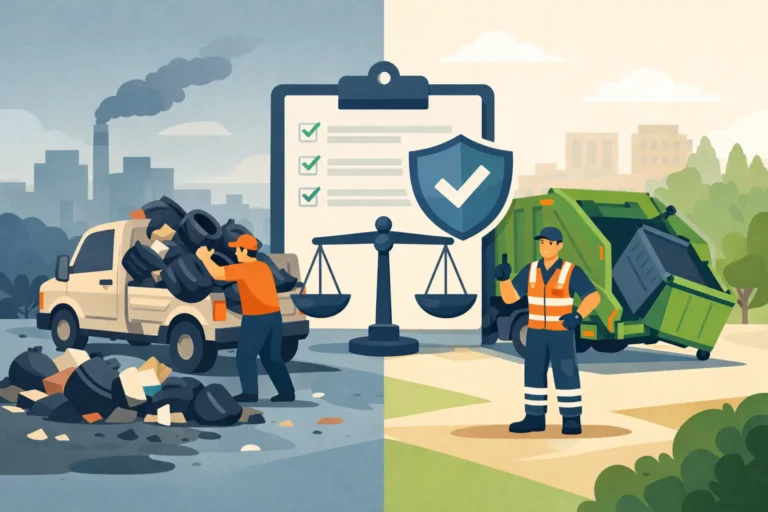
Waste Clearance Done Properly
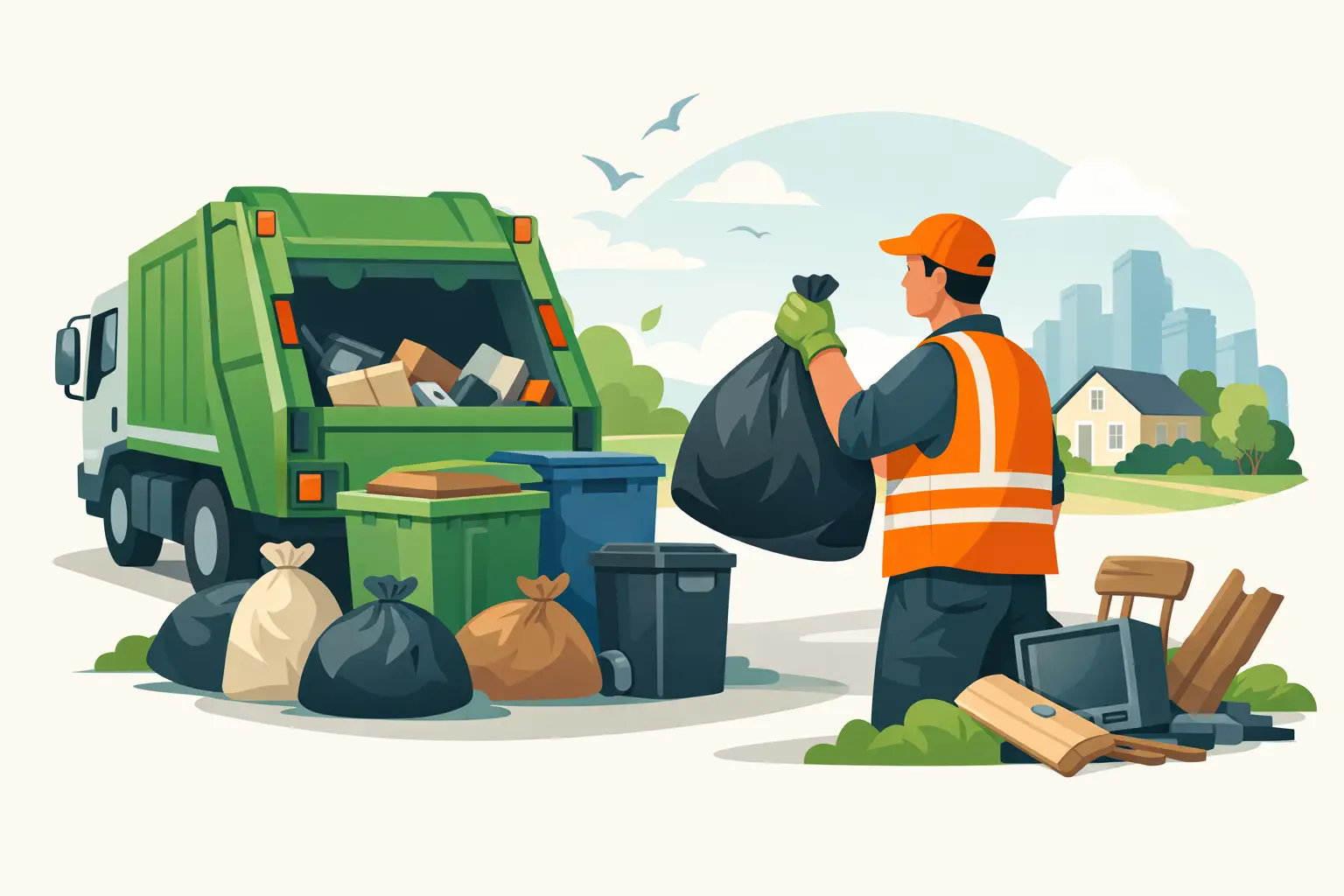
A pile of broken fence panels, old roofing felt, bagged rubble or garden waste does not just look untidy – it gets in the way of the job, creates hazards and can quickly become a bigger problem than expected. Proper waste clearance matters because it is not only about loading a van and driving off. It is about safe handling, legal disposal, keeping the site tidy and making sure the person removing your waste is actually allowed to do it.
For homeowners, landlords and local businesses, the main concern is usually simple: get it cleared quickly, do it properly and do not leave any risk behind. That risk is real. If waste is taken by someone unlicensed and dumped illegally, the trouble can come back to the property owner. That is why a reliable clearance service should give you confidence from the start, not just a cheap price and a promise.
What good waste clearance actually covers
Waste clearance can mean very different things depending on the property and the type of job. In some cases it is a straightforward collection of unwanted household or garden waste. In others it forms part of a wider maintenance project, such as stripping out damaged fencing, removing roofing debris, clearing builder’s waste after repairs, or taking away materials after landscaping work.
That is where experience matters. A team used to working on exterior property jobs understands the difference between loose mixed rubbish and heavy construction waste. They know how to separate materials where needed, handle awkward access, and clear the area without causing unnecessary disruption to the rest of the property.
A proper service should also leave the site usable. There is little point removing most of the rubbish if nails, sharp fragments, dust or loose debris are left behind. Good clearance is part removal, part site care. The end result should feel like progress, not another mess to sort afterwards.
Why licensed waste clearance protects you
This is the part many people overlook until there is a problem. Anyone taking waste away for payment should be properly licensed to carry it. That is not paperwork for the sake of it. It is there to make sure waste is handled and disposed of through the right channels.
If you hand your rubbish over to the wrong person because they offered a quick cash deal, you may save a little at the start but create a bigger risk later. Fly-tipping is not just an eyesore. It can lead to investigations, complaints and avoidable stress. For landlords and commercial occupiers, it can also affect how the property is viewed by tenants, neighbours or customers.
Using a licensed team gives you a clear line of accountability. It shows the contractor is operating properly and not cutting corners once the waste leaves your site. That peace of mind is worth having, especially when the clearance involves bulky items, building waste or materials from repair work.
When fast waste clearance matters most
Not every clearance job is an emergency, but some definitely are. Storm damage is a good example. If roof materials, broken timber, guttering or fencing have come down, you may need the area made safe quickly before repairs can even begin. The same applies after a leak, structural damage or a clear-out where waste is blocking access.
Speed matters in these situations, but so does control. A rushed job done badly can scatter debris, damage surfaces or leave unsafe materials behind. A fast response should still mean organised work, proper loading and a full clean-up once the waste is removed.
This is one reason many customers prefer to use one contractor for both the repair and the clearance. If the same team can remove damaged materials, carry out the necessary work and leave the site clean, the whole job moves faster and with less hassle. You are not left trying to coordinate separate trades while the mess sits there.
Waste clearance as part of wider property work
A lot of clearance jobs are tied to practical maintenance, not just general tidying up. Old felt from a flat roof, bricks from a damaged wall, broken plaster, rotten shed timber, overgrown garden waste and torn-up fencing all need to go somewhere once the work starts. If they are not dealt with properly, the whole project slows down.
That is why an all-in-one approach often makes more sense than hiring one company to do the repair and another to remove the waste. The team doing the work already knows what is coming off site, how much there is likely to be and what equipment is needed to clear it safely. It saves time, avoids confusion and usually keeps the job better organised from start to finish.
For landlords between tenancies, this can be especially useful. If a property needs external repairs, garden attention and rubbish removal at the same time, a joined-up service reduces delay. The property gets turned around faster and is ready for the next stage without piles of leftover waste sitting outside.
What affects the cost of waste clearance
People often want a fixed answer on price, but the honest answer is that it depends on the type and amount of waste, access to the site and whether the clearance is part of a larger job. Heavy rubble is different from green waste. Loose mixed rubbish is different from neatly stacked materials. A clear driveway is easier than a tight rear garden with difficult access.
Labour is part of the cost, but disposal charges matter too. Licensed disposal is not free, and any legitimate contractor has to factor that in. If one quote looks far lower than the rest, it is reasonable to ask why. Sometimes the answer is efficiency. Sometimes it is because corners are being cut.
A fair quote should be clear about what is included. That means collection, loading, removal and site clean-up where agreed. It should also reflect the reality of the job, not an unrealistically low number that changes once work begins.
What to look for before you book
The best waste clearance service is usually easy to deal with from the first call. You want a straightforward response, a realistic time frame and clear information on what can be taken. If a contractor is vague about licensing, refuses to discuss disposal, or avoids giving a proper quote, that is usually a warning sign.
Local knowledge helps as well. A contractor working regularly across Ashford, Staines and the wider Surrey and Middlesex area understands the kinds of properties, access issues and common maintenance problems found locally. That practical familiarity often makes the job smoother, particularly where clearance is tied to roofing, fencing or exterior repair work.
It also helps to choose a team that treats the site with respect. Waste removal can be heavy, dirty work, but it should still be done carefully. Paths, driveways, lawns and shared access areas should not be left in a worse state than they started.
Why experience counts on awkward jobs
Some clearance work is simple enough. Much of it is not. Water-damaged materials are heavier than they look. Old fencing can have hidden fixings and sharp edges. Roofing waste can be awkward to move safely. Builder’s debris may need sorting before it can be loaded properly. On jobs like these, practical building experience makes a difference.
A trade-led team does not just see rubbish. They understand where it came from, what condition it is in and what needs to happen around it. That matters when the waste is part of an active repair, when access is restricted, or when the site needs to be kept safe for residents, tenants or staff.
AJW Specialists Property Maintenance takes that approach on local clearance work – practical service, proper handling and a clean site at the end of the job. For customers, that means less back and forth and fewer loose ends to deal with.
Waste clearance should leave you with less to worry about
At its best, waste clearance is one of those services that removes more than rubbish. It clears space, makes the property safer and helps the next stage of work happen without delay. More importantly, it takes a job that can be awkward, messy and legally risky and puts it in the hands of someone accountable.
If you are dealing with bulky waste, storm debris, renovation mess or leftover materials from exterior work, the right contractor will not overcomplicate it. They will turn up, assess it properly, clear it safely and leave the place in good order. That is what most people want – not excuses, not shortcuts, just a proper job done by a team you can trust.
If the waste is in the way, the best time to deal with it is before it becomes another problem.