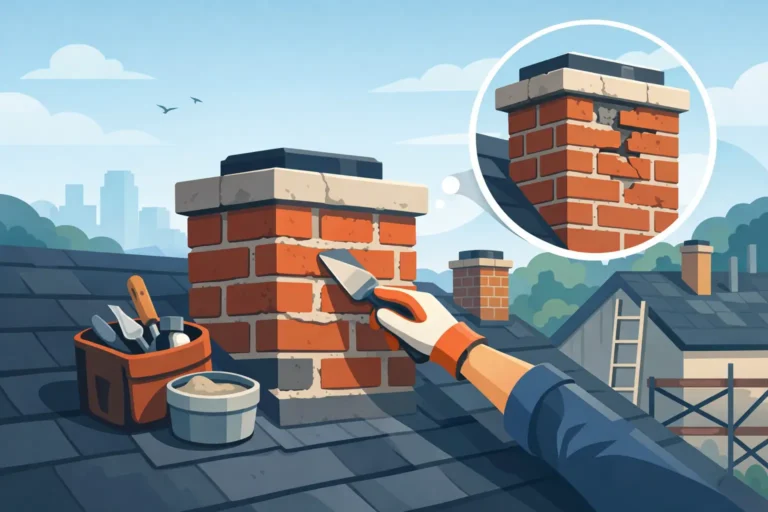
Garden Brick Wall Repair for Cracks and Leaning

A garden wall rarely fails all at once. It usually starts with a loose brick, a crack in the mortar or a section that looks slightly out of line. Leaving it can turn a manageable garden brick wall repair into a larger rebuilding job, especially after heavy rain, frost or strong winds.
For homeowners and landlords, the main question is simple: can the wall be repaired safely, or does it need taking down and rebuilding? The answer depends on the cause of the damage, not just what the wall looks like from the front.
What causes a garden brick wall to fail?
Brickwork is durable, but garden walls have a hard life. They are exposed to rain, temperature changes, plant growth, impacts from bins or vehicles, and movement in the ground. Older walls can also suffer where poor repairs have trapped moisture or where the original foundations were too shallow.
Water is one of the most common causes. Rain enters through failed pointing, cracked bricks or damaged coping stones. When temperatures drop, trapped water expands as it freezes and gradually breaks down the face of the brick or pushes mortar joints apart. A wall may look sound in summer but deteriorate quickly through a wet winter.
Ground movement matters too. Clay soil can expand in wet weather and shrink during dry spells, while tree roots may disturb shallow foundations. In some cases, a wall has simply been built without enough footing for its height or for the weight of gates, trellis and climbing plants attached to it.
A proper inspection should look beyond the visible crack. Repairing the surface without dealing with drainage, foundations or movement means the same problem is likely to return.
Signs your garden brick wall repair should not wait
Not every crack is an emergency, but some warning signs need prompt attention. A wall that is leaning, bulging or loose can become a safety risk, particularly near a path, driveway, entrance or neighbouring property.
Arrange an assessment if you notice:
- bricks lifting, falling out or crumbling at the face;
- a horizontal crack or outward bulge through the middle of the wall;
- a wall leaning away from vertical, even by a small but noticeable amount;
- loose or missing coping stones at the top;
- deep cracks running through bricks as well as mortar joints; or
- movement around a gatepost, pillar or boundary corner.
Keep children, pets and visitors away from an unstable section. Do not lean ladders, garden furniture or heavy items against it, and avoid trying to pull a leaning wall straight. That can make a partial collapse more likely.
Repair or rebuild: making the right call
A localised problem can often be repaired well. If a small area has loose bricks, weathered pointing or minor frost damage, a competent bricklayer can remove the affected materials and rebuild that section using suitable replacement bricks and mortar. Repointing may be enough where mortar has failed but the bricks remain solid and the wall is stable.
Rebuilding is usually the safer choice when a wall is visibly leaning, bulging, badly cracked or moving at the base. It is also sensible where the foundations have failed or where more than one section is deteriorating. Patching a structurally unsound wall can look cheaper at first, but it often delays rather than solves the problem.
Matching the existing brickwork is a consideration on older properties and boundary walls. Exact matches are not always available, particularly with aged handmade bricks. A good repair can use reclaimed or carefully selected bricks so the finished section sits naturally with the original wall. On the other hand, a full rebuild may offer a cleaner result if much of the existing brickwork is mismatched, spalled or poorly repaired already.
How a professional garden brick wall repair is carried out
The first job is to establish why the damage occurred. This includes checking the wall’s line and level, the condition of the joints, the base of the wall, nearby drainage and anything putting pressure on the brickwork. If there is a gate, fence panel or trellis fixed to the wall, that load should be considered as well.
For a small repair, damaged bricks and failed mortar are removed carefully without disturbing sound areas. The bricks are then reset on a firm bed of fresh mortar, with joints finished to match the existing style where possible. Any open joints are raked out to the correct depth before repointing, rather than simply applying a thin layer of mortar over the top.
Where a section needs rebuilding, it is dismantled in a controlled way and the base is inspected. The contractor may need to form or strengthen foundations before rebuilding in bonded courses. The wall should be built true, with proper support at corners and pillars, and finished with coping stones or a suitable top course to shed rainwater.
Site clearance is part of doing the job properly. Broken bricks, old mortar and excavated material should be removed through licensed waste handling, leaving the garden safe and usable rather than adding another job for the customer.
Why mortar choice matters
Mortar is not just filler between bricks. It needs to be compatible with the wall. Very hard modern cement mortar can cause problems on older, softer bricks because moisture is forced through the brick instead of escaping through the joint. That can lead to more face damage over time.
The right mix depends on the age and type of brickwork, the exposure of the wall and the repair required. This is one reason a repair that appears straightforward can benefit from experienced hands. A neat-looking joint is not much use if it contributes to further damage within a few winters.
Can you repair a garden wall yourself?
Replacing one loose brick or touching up a small section of pointing may be within reach for an experienced DIY homeowner. The wall must be stable, the work area must be safe, and the correct mortar and tools are needed. Avoid working on a freestanding wall that is already leaning or has cracks across several courses.
DIY repairs become risky when the wall supports soil, acts as a boundary retaining wall, carries a gate, is above chest height, or sits beside a public pavement or neighbouring garden. These situations need more than cosmetic repair. A collapse can cause injury, damage and a dispute with a neighbour.
It is also worth remembering that garden walls can involve shared boundaries. Before rebuilding or changing the height, check ownership and discuss the work with the adjoining owner where appropriate. Clear communication before work starts prevents avoidable disagreements later.
What affects the cost of garden wall repairs?
There is no reliable one-price answer, because the scope can range from repointing a few loose joints to rebuilding a long boundary wall with new footings. The size and height of the damaged area, access to the garden, brick matching, disposal requirements and whether foundations need attention all affect the quote.
A narrow side passage may require materials to be carried through by hand. A wall beside a driveway can be easier to access but may need protection for paving or vehicles. If the original cause is poor drainage, adding drainage work is an extra cost, but it is often money well spent compared with repairing the same wall again.
Ask for a clear written scope that explains what will be removed, repaired or rebuilt, how waste will be handled, and whether the work includes making good surrounding ground or paving. A cheap quote that only covers the visible crack can become expensive if the underlying failure has been ignored.
Preventing repeat damage
Once the wall is repaired, a few routine checks will help it last. Keep soil and mulch below the damp-proof level of nearby structures, clear plants that are forcing their way into mortar joints, and make sure water is not constantly pooling at the wall base. Replace loose coping stones before water reaches the core of the wall.
Do not fix heavy gates or large trellis panels to a light garden wall unless it has been designed to carry that load. Gateposts should be properly founded, and any climbing plants should be managed so roots and stems do not prise apart the joints.
If you are in Ashford, Staines or the surrounding Surrey and Middlesex area, AJW Specialists Property Maintenance can inspect damaged garden brickwork, explain the practical options and provide a free quote for repair, rebuilding and responsible site clearance. Acting while the damage is localised is usually the safest way to protect your garden, boundary and budget.