
Choosing Garden Fencing Contractors in Surrey
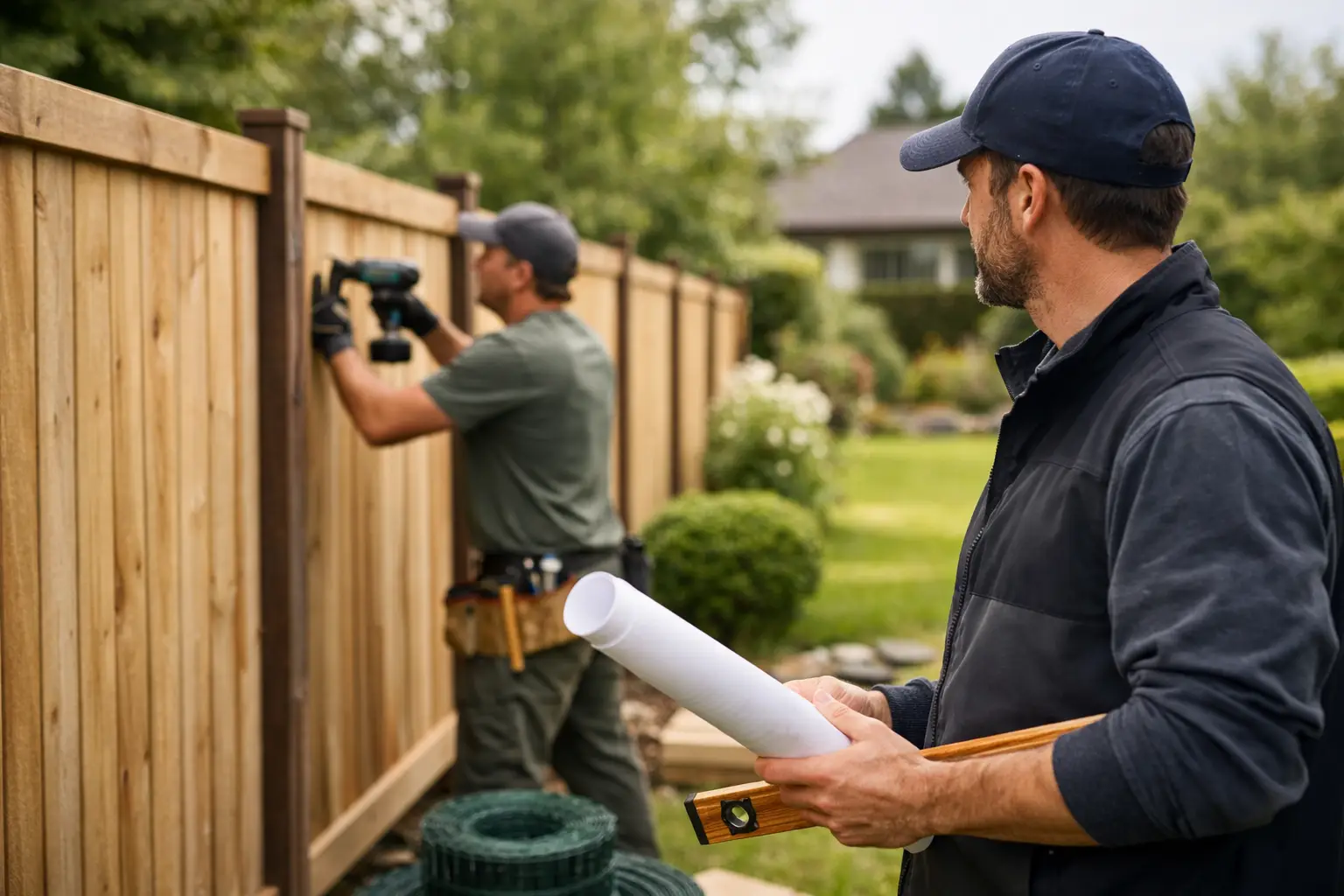
A leaning panel after a spell of wind, a broken post at the back of the garden, or a fence that has simply reached the end of its life can quickly make a property look uncared for. When searching for garden fencing contractors Surrey residents can trust, the aim is not just to get new panels put up. You need solid groundwork, clear boundaries, suitable materials and a team that leaves the garden tidy when the work is finished.
A well-built fence gives privacy, improves security and creates a proper edge between gardens. For landlords and commercial occupiers, it can also prevent access issues and help keep outdoor areas presentable. The right contractor will assess the full condition of the fence before recommending a repair or replacement, rather than fitting a quick fix that will not hold up through the next winter.
Start with the reason the fence needs work
Not every damaged fence needs replacing from end to end. If one or two panels have failed but the posts remain firm and straight, a targeted repair can be the sensible, cost-effective option. However, if several posts are loose, timber is rotting at ground level or the fence line is leaning, replacing isolated panels may only delay a larger job.
The cause matters. Wind damage often exposes weak or shallow-set posts. Ground movement, heavy planting and poor drainage can also put constant pressure on a fence. A contractor should look beyond the visible broken panel and identify why it failed. That is how you avoid paying twice for the same problem.
For a new installation, think about what the fence must do. A front boundary may need strength and a neat appearance. A rear garden may need privacy from neighbouring properties. A side passage might require a lockable gate and secure panels to prevent unwanted access. These practical details shape the right design and materials.
What good garden fencing contractors in Surrey should check
A proper site visit is worth far more than a guess based on a photograph. The ground, access and existing boundary all affect the cost and method of installation. A reliable contractor should measure the run, inspect the posts, check for slopes and ask where gates, sheds, trees or services may affect the work.
They should also establish where the legal boundary sits. Fence ownership is not always as simple as choosing the left or right side of the garden. Title plans, deeds and discussions with neighbours can help where there is uncertainty. If a shared boundary is involved, it is usually best to speak to the neighbour before work begins, particularly where the height or style of the fence will change.
Height is another point that should not be overlooked. Rear garden fences are commonly installed up to around two metres, but planning rules can be different near a highway or for certain properties. A contractor can advise on the practical side of the build, but property owners should make sure any required permission is in place before committing to the work.
Choose materials for the job, not just the first price
Timber fencing remains a popular choice because it looks at home in most Surrey gardens and can be adapted to different styles. Closeboard fencing is a strong option for privacy and uneven ground, while overlap panels can suit straightforward garden boundaries where budget is a key concern. Decorative panels can soften the look of a patio or planted area, but they are not always the best choice for an exposed boundary.
Concrete posts and gravel boards generally cost more at the outset than timber posts, but they can offer a longer-lasting solution in damp ground. They resist rot at the base and make future panel replacement easier. The trade-off is appearance and weight: some homeowners prefer an all-timber finish, while concrete components need safe handling and careful installation.
Composite fencing is another option for customers who want low maintenance and a more modern finish. It does not rot like timber, but it is usually more expensive and may not suit every garden or neighbouring property. There is no single best material. The right choice depends on the location, exposure, desired appearance and how long you expect the fence to remain in place.
The part of the job that matters most is often below ground. Posts need to be set at an appropriate depth, aligned correctly and secured for the soil conditions. A straight line of new panels fixed to poorly installed posts will soon start to move. Good workmanship is not just what you see on the day the fence is completed.
Make sure the quote covers the full job
A clear fencing quote should state the length and height of the proposed fence, the panel or board type, post material, gravel boards, gates and any finishing details. It should also explain whether old fencing will be removed and where the waste will go.
This is particularly relevant if the existing fence is damaged, overgrown or mixed in with old garden materials. Disposal takes time and must be handled responsibly. Ask whether waste clearance is included rather than assuming a pile of broken panels, posts and concrete will disappear at the end of the day.
Access can affect the quote as well. A clear side passage makes delivery and removal simpler. If materials have to be carried through the property, over a garage or through a restricted access route, allow for the extra labour involved. Honest contractors will explain this before the work starts, not add unexpected costs once they are on site.
It is sensible to compare quotes, but compare the specification rather than the bottom line alone. A lower figure may exclude concrete gravel boards, removal of old materials, gate furniture or proper post foundations. A detailed quote gives you a fair basis for deciding what you are actually paying for.
Repairs after wind damage need a quick response
A damaged fence can create an immediate security and safety issue, especially where panels have fallen into a public area, exposed a driveway or left pets and children without a secure garden. Temporary securing work may be the right first step if weather conditions are poor or replacement materials are not immediately available.
Do not simply push a loose fence back into position and hope for the best. Broken posts can fail without warning, and jagged timber, nails and damaged concrete can cause injury. Keep people away from the affected section where possible and avoid placing weight against it.
For urgent external property issues, it helps to use a contractor who can deal with more than one problem. A storm can bring down fencing, block access with green waste and expose damage to sheds, gutters or roof edges at the same time. AJW Specialists Property Maintenance can assess the work, clear waste and arrange practical repairs without leaving you to coordinate several separate trades.
Questions worth asking before you book
You do not need specialist fencing knowledge to appoint the right team, but a few direct questions can reveal a lot. Ask whether they are insured, whether old materials and waste are included, what posts and fixings they propose, and how they will protect nearby paving, lawns and planting.
Also ask what happens if the ground conditions are different from what was expected. A professional contractor will explain any potential issue before proceeding and give you options where possible. They should not pressure you into extras without a clear reason.
For a larger run of fencing, ask about the expected working schedule and whether the site will be left secure at the end of each day. This matters where children, pets, tenants or customers use the property. A clean, safe site is part of a properly managed job, not an optional extra.
A fence is only as good as its installation
The cheapest panel is rarely a bargain if it is fixed to weak posts, set out unevenly or left with no allowance for drainage and ground level. Equally, paying for premium materials does not guarantee a good result if the groundwork is rushed. The best value comes from a fence designed for the property, installed carefully and quoted clearly from the start.
If your boundary is damaged, tired or no longer secure, arrange a site assessment while the problem is still manageable. A straightforward conversation and a free quote can give you a clear plan before a small repair turns into a full replacement at the worst possible time.