How to Fix Sagging Fence Properly
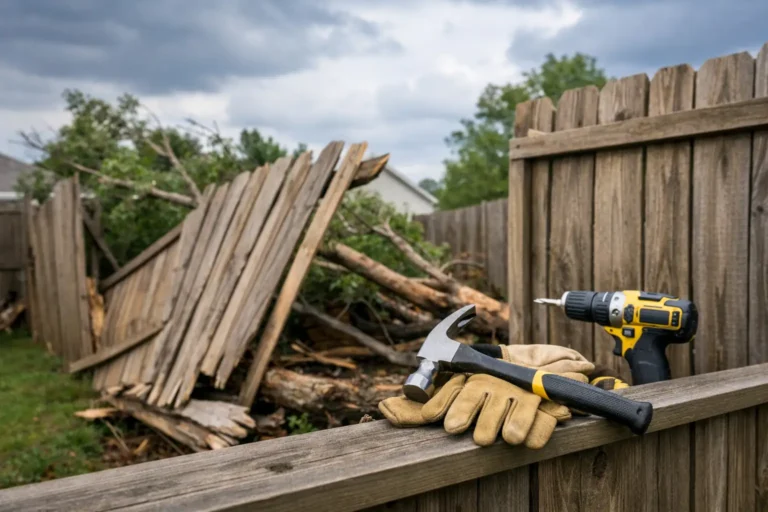
A fence rarely sags all at once. It starts with a slight lean, a panel that rattles in the wind, or a gate that no longer shuts cleanly. If you are wondering how to fix sagging fence sections before they become a full replacement job, the first step is to find out what has actually failed. In some cases it is a simple repair. In others, the visible sag is only a sign that the post, footing or surrounding ground has already given way.
That matters because a quick patch on the wrong part of the fence will not last. You can prop up a panel for a few weeks, but if the post is rotten at ground level or the concrete footing has loosened, the movement will come straight back. A proper repair starts with the structure, not just the bit that looks crooked.
What causes a fence to sag?
Most sagging fences fail for one of three reasons: the post has moved, the panel has weakened, or the fixings have pulled loose. The tricky part is that one problem often leads to another. A post that starts to lean puts strain on rails and brackets. A heavy panel catches wind and drags the whole run out of line.
Timber rot is a common culprit, especially where the post meets the ground. Wood can look sound above soil level but be badly decayed where moisture sits. Concrete posts can also shift if the footing was too shallow, poorly mixed, or undermined by drainage issues. After spells of wet weather followed by drying, the soil can loosen enough for a fence line to start moving.
Panels sag for different reasons. Age, warped timber, broken rails and repeated wind pressure can all cause the centre of a panel to drop. Gates are another weak point. If a gate post starts leaning, the extra weight and movement usually make the problem worse quite quickly.
How to inspect a sagging fence before repairing it
Before deciding how to fix sagging fence sections, check each part of the affected run rather than only the worst-looking panel. Start with the posts. Push them firmly by hand. If a post rocks at the base, the footing has likely failed or the timber below ground is compromised.
Next, look along the line of the fence from one end. This makes it easier to spot whether a single post has moved or whether several panels are pulling each other out of alignment. Check the rails, panel frames, brackets and screws for splitting, rust or pull-out. If the fence has gravel boards, inspect those as well, as they can hide damage lower down.
Pay close attention to the base of timber posts. Probe the wood with a screwdriver. If it sinks in easily or the timber crumbles, that post needs replacing rather than bracing. With concrete posts, inspect the concrete around the base for cracking, separation or signs of heave.
This inspection stage saves time and money. There is no point fitting new brackets to a panel if the post itself is already failing.
How to fix sagging fence panels
If the posts are sound and the issue is limited to a panel or rail, the repair is usually straightforward. Loose panels can often be secured with new galvanised brackets and exterior-grade screws. Where rails have split or detached, replacing the damaged rail is normally better than trying to screw into weakened timber.
For featheredge or closeboard fencing, sagging often happens when arris rails or support rails start to fail. Once the structural rail has gone, the boards lose their shape. In that case, replacing the rail and re-fixing the boards can restore the panel if the rest of the timber is still in good order.
Lap panels are less forgiving. If the frame has twisted badly or the battens have come away, a full panel replacement is often the more sensible option. Repairs are possible, but once a lightweight panel has distorted, it may never sit properly again, especially in exposed gardens.
When replacing fixings, use corrosion-resistant hardware. Cheap untreated screws and brackets tend to stain, loosen and fail much faster outdoors.
How to fix sagging fence posts
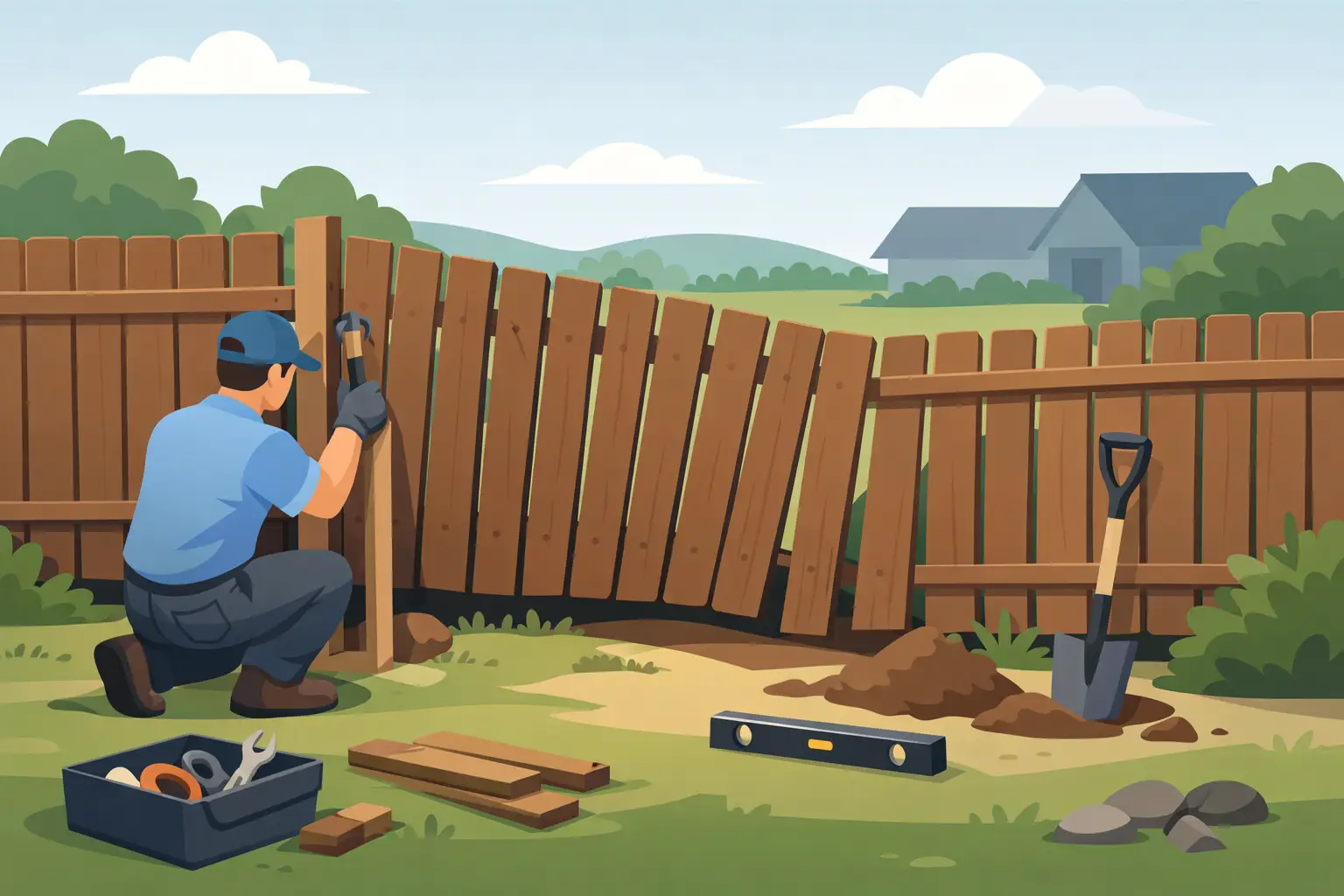
When the post is the problem, the repair becomes more structural. A leaning post with no rot may be reset if caught early. That usually means removing enough soil or broken concrete around the base to straighten it, then re-securing it in fresh concrete. The depth and size of the footing need to match the height and wind exposure of the fence.
If a timber post is rotten at the base, replacement is the right answer. You may see repair spur systems used to brace a damaged post, and they can work in the right situation, particularly where the upper section of the post is still solid. But they are not a cure-all. If the timber is decayed too far above ground level, a spur will not give a reliable long-term repair.
Concrete repair spurs can be useful where you want to avoid dismantling a large section of fence, but they still need proper installation. If they are set shallow or fixed to already failing timber, the fence will continue to move.
For multiple leaning posts in one run, it is often more economical to replace that section properly rather than patching each point of failure one by one.
Gates need a slightly different approach
A sagging gate is not always a fence problem, although the two are often linked. Gates drop because of loose hinges, inadequate bracing, post movement, or simple wear from daily use. If the gate has become heavy with moisture and the frame has twisted, tightening the hinges alone will not sort it.
First check the hinge side post. If that post is moving, stabilise or replace it before touching the gate. If the post is sound, inspect the gate frame. A proper diagonal brace should run from the bottom hinge side to the top closing side. If that brace is missing or loose, the gate will sag under its own weight.
Sometimes a new set of heavy-duty hinges and a rehang will solve the problem. Sometimes the gate itself has reached the point where replacement is the better spend. It depends on the age of the gate, the condition of the frame and how much strain the opening gets.
Repair or replace – which is the better option?
This is where many property owners waste money. A cheap repair is not always the lowest-cost option if it only lasts one winter.
If one panel has loosened but the posts are solid and the rest of the fence is in decent condition, repair makes sense. The same goes for isolated bracket failure or a single damaged rail. If the fence is generally straight, dry and structurally sound, there is no reason to replace more than necessary.
Replacement becomes the better choice when the fence has multiple failing posts, widespread rot, repeated wind damage or poor original installation. If you are already paying to dismantle and reset several areas, the labour can quickly approach the cost of a new run. At that stage, a proper replacement gives a stronger result and usually better value over time.
This is especially true for landlords and commercial property owners who want fewer repeat call-outs. A tidy-looking repair is not enough if the structure behind it is already on the way out.
Common mistakes when trying to fix a sagging fence
One of the most common mistakes is treating the symptom instead of the cause. Propping a leaning panel up with extra screws or timber offcuts may make it look better for a short while, but it does not address post movement or rot.
Another mistake is underestimating ground conditions. Soft, waterlogged or poorly drained soil puts far more strain on posts than many people expect. If the original footing was shallow, resetting the fence in the same way will only repeat the same problem.
Poor material choice causes issues too. Interior screws, untreated timber and lightweight brackets do not belong in exterior fence repairs. Nor does rushing the concrete cure time. A newly reset post needs time to set properly before taking the full load of panels or gates.
The last mistake is ignoring early movement. A fence that is just starting to lean is much easier and cheaper to repair than one that has already pulled half a run out of line.
When to call in a professional
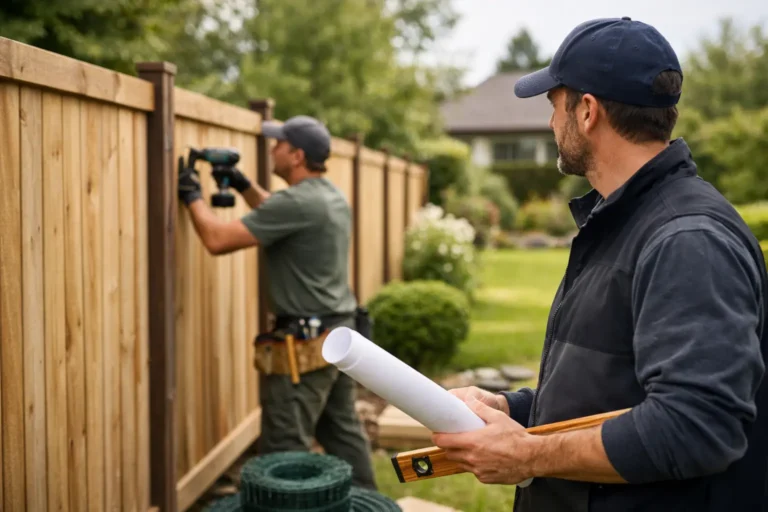
If the fence is tall, carries heavy closeboard panels, sits on uneven ground, or has more than one failed post, getting it assessed properly is usually the sensible move. The same applies if the fence line borders a public path, neighbouring property or commercial frontage where safety and appearance matter.
A trade-led repair should not just straighten the fence for the day. It should deal with the failed section properly, use suitable materials, and leave the area clean and secure. For many homeowners, the real value is avoiding the cycle of temporary fixes, wasted materials and another repair after the next strong wind.
If you are not sure whether your fence needs a simple repair or a partial rebuild, a straightforward site inspection is often enough to tell. AJW Specialists Property Maintenance regularly handles this kind of exterior repair work for local properties, and the same practical rule always applies – fix the cause, not just the lean.
A sagging fence is easier to put right when you catch it early, and the best repair is the one that still looks straight after the weather has had a go at it.