A Practical Guide to Exterior Property Maintenance

A slipped tile after heavy rain, a fence panel down after a windy night, gutters overflowing onto brickwork – most exterior problems start small and get expensive when they are left alone. That is why having a proper guide to exterior property maintenance matters. If you stay ahead of wear and tear, you protect the structure, avoid bigger repair bills and keep the place looking cared for.
For most homeowners and landlords, the challenge is not knowing that maintenance matters. It is knowing what needs attention first, what can wait, and when to call in an experienced contractor. Exterior work often overlaps. A roof leak can stain plaster, blocked gutters can damage brickwork, loose fencing can affect garden safety, and waste from one job can hold up the next. Looking at the property as a whole usually saves time, money and hassle.
What exterior property maintenance really covers
Exterior maintenance is more than washing down walls or replacing the odd broken tile. It covers the parts of the property that take the weather year-round – roofing, guttering, brickwork, pointing, fencing, paths, patios, external cleaning, garden boundaries and any waste that needs clearing safely once work is done.
The reason this matters is simple. Outside defects rarely stay outside defects. Water gets in. Timber weakens. Moss lifts surfaces. Cracks widen through freeze and thaw. Small failures spread into other trades. A damaged flat roof may lead to internal staining. Broken brick joints may let damp travel further than expected. Overgrown gardens and neglected waste can also hide structural issues that do not become obvious until they are more serious.
A sensible approach is to think in priorities. Start with anything that can let in water, create a safety issue or lead to structural deterioration. Appearance matters too, especially if you are a landlord or running a small commercial premises, but the urgent jobs should always come first.
A guide to exterior property maintenance by priority
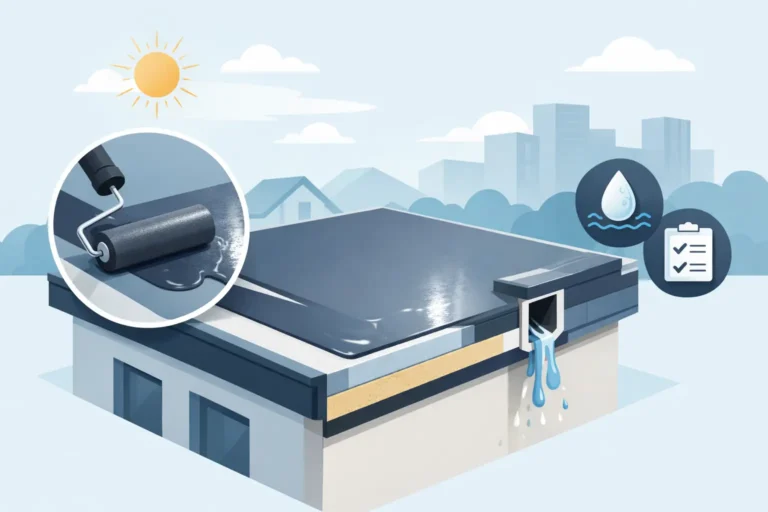
If you are unsure where to begin, the roof is usually the right place. It takes the worst of the weather and often gives the earliest warning signs. Missing or slipped tiles, damaged flashing, sagging areas, pooling on flat roofs and water marks near the roofline all need proper attention. The trade-off here is that minor repairs done early are usually straightforward, while waiting can turn one isolated fault into widespread water ingress.
Guttering and downpipes come next because they control where rainwater goes. When they are blocked, loose or cracked, water spills onto walls, fascias and paths. That can lead to staining, erosion, damp and slippery surfaces around the entrance to the property. Regular clearing is not glamorous, but it prevents a lot of unnecessary repair work.
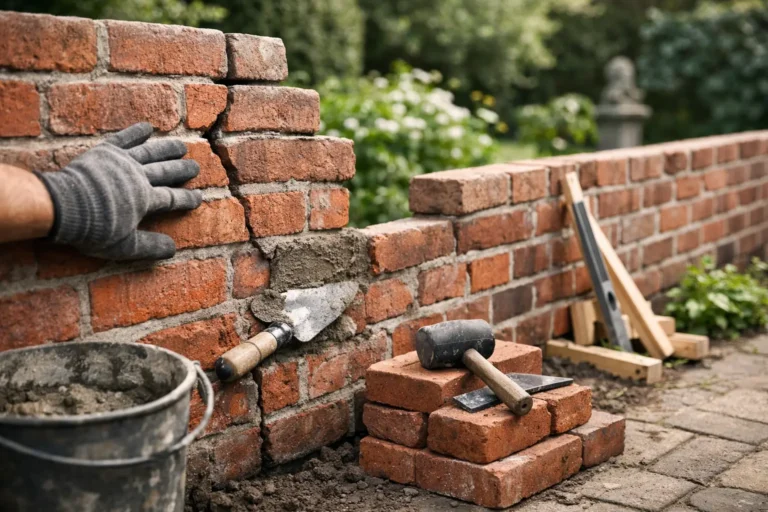
After that, look at brickwork, render and pointing. Hairline cracking is not always a major problem, but it should not be ignored either. Some cracks are cosmetic. Others suggest movement, failed joints or water getting into the wall face. The age of the property matters here. Older buildings need repair methods that suit the original materials rather than a rushed patch-up that traps moisture.
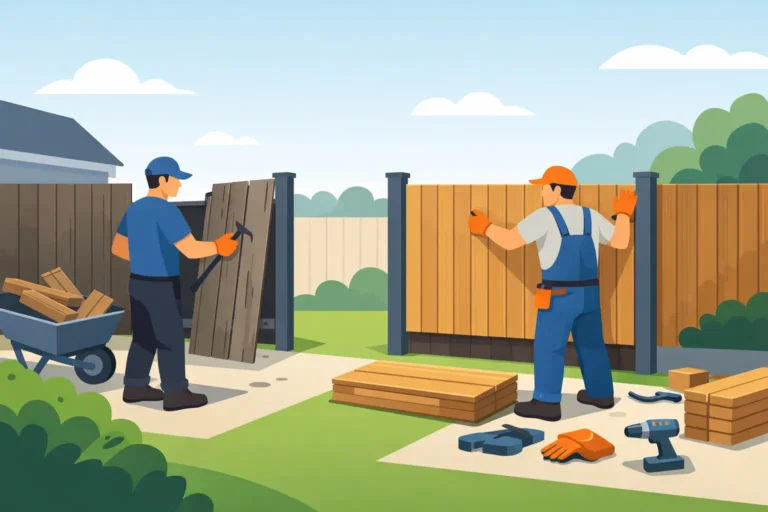
Fencing, gates and boundary structures are another common weak point. Storm damage is obvious, but gradual leaning, rot at post bases and loose fixings are just as important. If you leave them too long, a simple repair can turn into a full replacement. For landlords and business owners, there is also a basic duty to keep access and boundaries safe.
Then there are the outside surfaces people use every day – drives, paths, patios and steps. Moss, algae and general build-up make surfaces slippery and leave the whole property looking neglected. Cleaning helps, but it is worth checking whether staining is only dirt or a sign of poor drainage and standing water. Cleaning without fixing the cause often means the problem returns quickly.
Seasonal checks that stop bigger jobs later
You do not need a complicated schedule, but you do need some routine. Spring is a good time to check for winter damage. Look for cracked mortar, lifted materials, damaged fences and blocked drainage after the colder months. Summer is often the best period for planned repair work because conditions are usually drier and access is easier.
Autumn is when gutter clearing becomes especially important. Leaves and debris build up fast, and if they are not removed before heavy rain sets in, overflow problems usually follow. Winter is the season for watching out for sudden failures rather than starting every type of project. Emergency roof leaks, storm damage and fallen fencing often need a fast response, while larger planned works may be better scheduled once conditions improve.
For rental properties or mixed-use premises, these checks should be more disciplined. A missed issue on one property can quickly become a complaint, an insurance problem or a larger repair across several areas.
When a job is maintenance and when it is repair
This is where many property owners lose money. They assume they are dealing with general upkeep when the issue has already moved into repair territory. Cleaning moss from a roof edge can be maintenance. Replacing water-damaged felt and rotten timbers beneath it is repair. Clearing gutters is maintenance. Replacing sections torn away from the wall is repair.
The line matters because repair work often needs more than one trade. A roof fault might need roofers, waste removal, replacement timber and making good afterwards. A neglected garden boundary might involve fencing, landscaping and disposal of old materials. That is why using one experienced team for external works can be more practical than trying to coordinate several separate contractors.
Common signs you should not ignore
Some exterior problems are easy to spot and others are easy to put off. Water marks on upper walls, bubbling paint near the roofline, persistent moss growth, loose ridge tiles, broken fence posts, crumbling mortar and recurring blocked gutters all deserve attention. So do sagging flat roof areas and external cracks that seem to be widening.
If you are clearing a garden, garage or exterior work area and uncover piles of old materials, broken panels or building waste, deal with that properly as well. Waste left on site is more than an eyesore. It can slow down repair work, create hazards and, if removed by the wrong person, leave the property owner at risk if it is fly-tipped elsewhere.
Why local conditions make a difference
Properties across Surrey and Middlesex deal with a mix of older housing stock, newer extensions, hard weather exposure and busy residential use. What works for one building does not always suit the next. A flat roof over an extension has different maintenance needs from a pitched roof on a period property. A garden fence exposed to open wind will wear differently from a sheltered boundary between two close plots.
This is why blanket advice only goes so far. Some jobs need watching. Others need doing straight away. The best decisions are based on the age of the property, the materials used, how exposed the building is, and whether there has already been a history of leaks, movement or storm damage.
Choosing the right contractor for exterior maintenance
A good guide to exterior property maintenance is not just about spotting issues. It is about knowing who to trust with the work. For anything beyond very basic checks, look for a contractor who is insured, experienced and used to handling more than one type of external job. That matters because outside defects often overlap, and the handover between trades is where delays and mistakes happen.
It also helps to choose a team that can deal with waste removal properly, keep the site tidy and respond quickly when work becomes urgent. If a roof leak or storm-damaged fence cannot wait, speed matters – but so does doing the job properly first time. AJW Specialists Property Maintenance works with exactly that practical approach across Ashford, Staines and the wider local area, handling exterior repairs, associated works and site clearance under one roof.
Free quotes are useful, but clear advice matters more. You want to know what the issue is, what needs doing now, what can be phased later and what the likely outcome will be if you leave it. Straight answers are worth more than a vague cheap price.
The cost of waiting too long
Most exterior maintenance is cheaper when it is planned. Emergency work has its place, especially after storms or sudden leaks, but urgent callouts usually happen because an earlier warning sign was missed or delayed. That is not always avoidable, but it is common.
A small repair to flashing or a section of guttering is manageable. Internal water damage, damaged insulation, rotten timber and repeated patch repairs are not. The same applies to fencing, brickwork and garden structures. Once the problem spreads, the job grows.
The practical way to manage this is simple. Inspect the outside of the property regularly, deal with water-related faults first, keep drainage clear, do not ignore visible movement or decay, and use a contractor who can take responsibility for the full job rather than just one small part of it.
If your property is starting to show signs of wear outside, it is usually better to act while you still have options. A straightforward repair done at the right time is often the difference between routine maintenance and a much bigger bill a few months later.